

IMF: Lithuania’s economic growth remains robust, but sound fiscal policy must be ensured in the medium term
The International Monetary Fund (IMF) projects that Lithuania’s economy will grow at a somewhat slower pace this year than last year, though growth will remain robust. The economy is stimulated by rising wages and more active borrowing, withdrawals from second-pillar pension funds, government spending and European Union (EU) investment. Next year, with the factors driving domestic demand weakening, growth will slow down slightly further, but will pick up again in 2028.
Among the key risks, the IMF highlights continuing geopolitical tensions, fluctuations in energy prices and weak external demand. In October 2026, annual inflation in Lithuania stood at 6.1%, compared with 3.7% a year ago. The increase in prices was mainly driven by rising energy prices, higher excise duties and rising service prices due to rapid growth of wages. According to the IMF’s assessment, with energy price pressures easing, inflation should gradually slow down. However, public sector spending and the continued rapid growth of wages could lead to prolonged price pressures. The IMF also warns that Lithuania’s competitiveness may weaken if wages rise faster than labour productivity.
The IMF draws attention to the long-term challenges facing public finances. The planned increase in spending in 2027–2029 will further expand the budget deficit and public debt, thereby increasing the risk of non-compliance with EU fiscal rules. In the longer term, population ageing, growing defence funding needs and rising demand for public services will pose additional challenges to public finances.
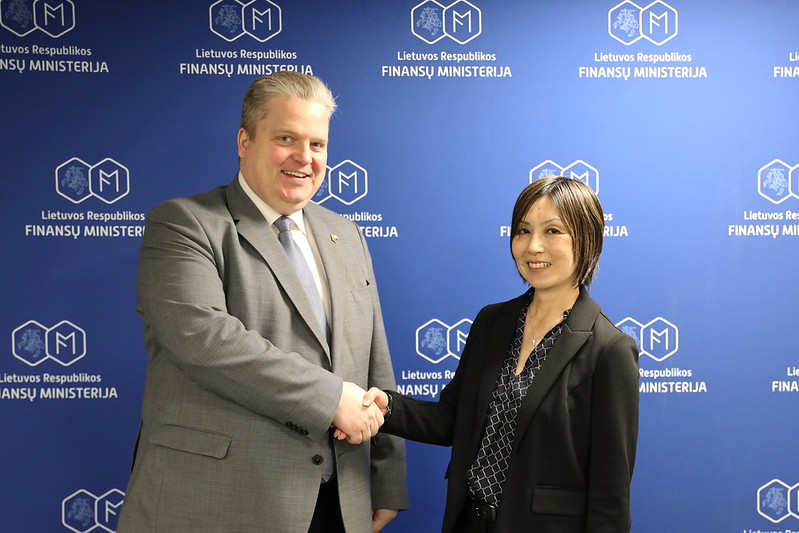
“In drawing up the 2027 budget, we aim to balance the growing needs as regards investment in security, the enhancement of public welfare and fiscal sustainability. In this budget, we continue to maintain a high level of funding for national defence, which will allow us to consistently strengthen Lithuania’s defence capabilities and ensure the country’s security in the long term. At the same time, we are increasing the income of the population at a faster rate than the rise in prices, strengthening support for the most vulnerable groups in society and contributing to the reduction of poverty. This process is taking place in a complex geopolitical and economic environment, which is why we highly appreciate the insights of experts from the International Monetary Fund. The Fund’s recommendations help strengthen public finance management and ensure the sustainable development of public finances in the medium and long term,” says Minister of Finance Taurimas Valys.
The IMF urges Lithuania to develop a credible medium-term public finance strategy that would provide for sustainable sources of budget revenue, clear spending priorities, a more targeted allocation of social benefits and a more efficient use of public funds. This would help to control the growth of public debt and preserve fiscal capacity in order to respond to potential economic shocks in the future.
“When discussing increasing public borrowing, it is important to assess not only today’s needs but also their long-term cost. Increased defence funding is undoubtedly necessary, but at the same time, we must responsibly plan other budget expenditure as well. The financial capacity of the State is an important part of our security, as it enables us to withstand economic shocks and respond to unexpected challenges. It is therefore essential not only to ensure sustainable public finances, but also to develop the domestic capital market, which would provide more financing opportunities for the State and businesses, whilst offering the public’s savings greater scope to contribute to the country’s economic growth,” says Gediminas Šimkus, Chair of the Board of Lietuvos bankas.
The IMF also draws attention to the future of the pension system. The significant decline in the assets of the second pension pillar highlights the need to strengthen the pension system. The IMF emphasises the importance of drawing up a comprehensive plan for the entire pension system, which should ensure the system’s long-term sustainability and adequate pension levels in the light of growing demographic challenges.
According to the IMF, Lithuania’s financial sector remains resilient. Banks have a strong capital and liquidity position, the proportion of non-performing loans remains low, and profitability, albeit decreased, remains high. The portfolio of loans to households and businesses continues to grow at a double-digit rate, however rising housing prices and interest rates are reducing the affordability of housing.
The resilience of the financial system depends on the ability to identify risks and respond to them even before they materialise. The IMF welcomes the decision of Lietuvos bankas to increase the countercyclical capital buffer rate to 1.25% starting from August 2027. This measure will help banks build up an additional capital buffer to manage potential risks and will strengthen the resilience of the financial system. The IMF also emphasises that measures designed to ensure financial stability must be kept under constant review in light of evolving risks.
Given the well-developed financial technology sector in Lithuania, the IMF urges that particular attention be paid to its supervision and to potential geopolitical and cyber threats.