

Ministry of Finance proposes to reduce the accessibility of gambling – Lithuanian residents lose hundreds of millions of euros every year
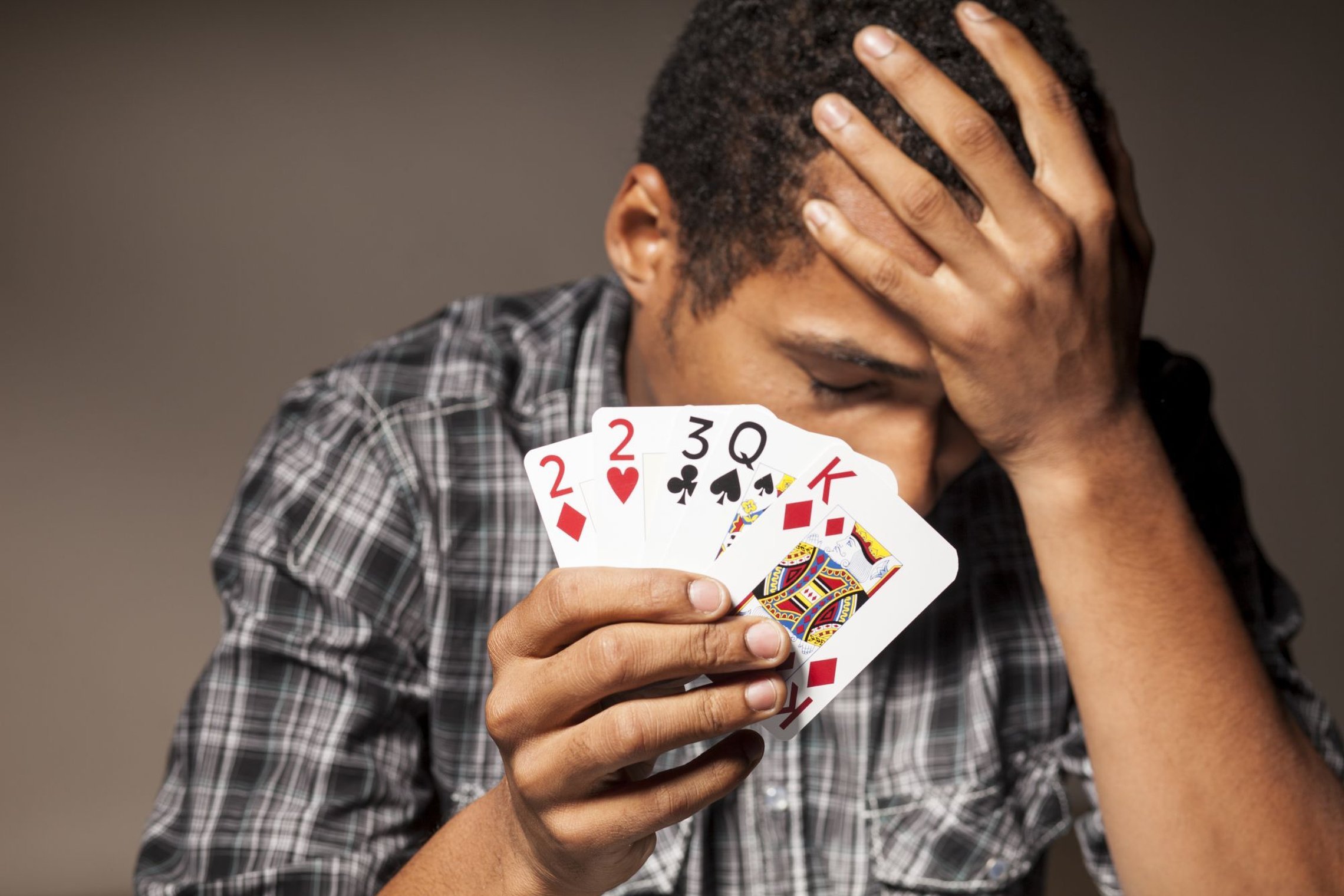
With Lithuanian residents losing more and more of their money each year, the Ministry of Finance has prepared amendments to the Gaming Law, which propose to introduce a mandatory player card and to withdraw cash from gambling venues. The proposals were already approved by the Government on 17 June. What is the essence of the proposals and what do they aim for?
"The main aim of the amendments is to reduce the accessibility of gambling and the damage to individuals’ mental health. In order for this to be realistic, the player card becomes an essential tool. Therefore, the new draft law provides that all persons wishing to participate in gambling in physical gambling venues or online must obtain a player card. And the withdrawal of cash in gambling venues will reduce money laundering and other risks," Virginijus Daukšys, Head of the Gaming Control Authority under the Ministry of Finance, comments.
According to him, the implementation of the card (physical or digital) will allow to centrally record the amounts paid by the player and the winnings paid out, regardless of whether the game is played online or in physical gambling venues, in one company or with different gambling operators. The player's card would record data about the player's chosen money and gambling time limits, gambling restrictions.
Also, the law imposes an obligation on the gambling operator to carry out an assessment of the player's income and financial capabilities, i.e. if the maximum amount that can be lost per month chosen by the player would exceed EUR 20,000, he/she should submit documents substantiating the financial capabilities (for example, a certificate of wages and salaries issued by the employer, an annual income tax return, a bank statement confirming regular or received one-off income, documents confirming receipt of dividends or other investment income, etc.). If they failed to do that, they couldn't gamble.
Giving up cash and channelling all financial transactions through official payment systems would increase transparency. It would also prevent individuals who receive state cash benefits or avoid fulfilling financial obligations from spending the money they receive in gambling.
It is also proposed to block not only illegal gambling sites, but also those promoting or announcing them. If other sites place active links that can be clicked on to a gambling site, they could also be blocked.
Amounts individuals lose are growing
Last year, gambling companies received a total of EUR 4.89 billion for participating in gambling, and the amount of winnings paid out was EUR 4.6 billion. Compared to 2024, both amounts increased by 15%. Last year, the Lithuanian people lost a total of EUR 274 million by participating in gambling. The year before last, the losses by the country's residents were 13% less – EUR 242 million.
Last year, a gambling tax of EUR 60.3 million was paid to the State budget, while the year before last, the tax paid was by 20% lower – EUR 48 million.
More than 101,000 applications were received in the Register of Persons Restricted from Participation in Gaming until 31 October 2026. The number of active requests currently reaches 22 thousand. The increasing number of applications is worrying, as up to 60 applications are received every day, i.e. about 1,500 applications per month. The majority (84%) are men, while 16% are women. The largest age group is relatively young people, between the ages of 21 and 40. They make up about 80%.
Three-year transitional period
In order to ensure a smooth implementation of the draft Gaming Law, it is proposed to set different dates for the entry into force of individual provisions of the Law. Such differentiated entry into force is necessary in view of the time required for preparation.
It is proposed to set the entry into force of the Gaming Law as of 1 May 2027 and the provisions related to the player card, non-cash payments as of 1 January 2029.
A transitional period of three years is introduced in order to give gambling operators time to upgrade their gaming facilities or replace existing ones that would meet the requirements for non-cash payments from 2029.
Last updated: 11-11-2026
Related news:
International Monetary Fund experts to analyse Lithuania's economic situation and future prospects
Minister of Finance Taurimas Valys met with Belgian Minister of Finance Jan Jambon
Minister of Finance Taurimas Valys met with Polish Minister of Finance Andrzej Domański.