

G. Skaistė: The New EU Fiscal Rules Combine Two Important Objectives: Sustainability of Public Finances and Economic Growth
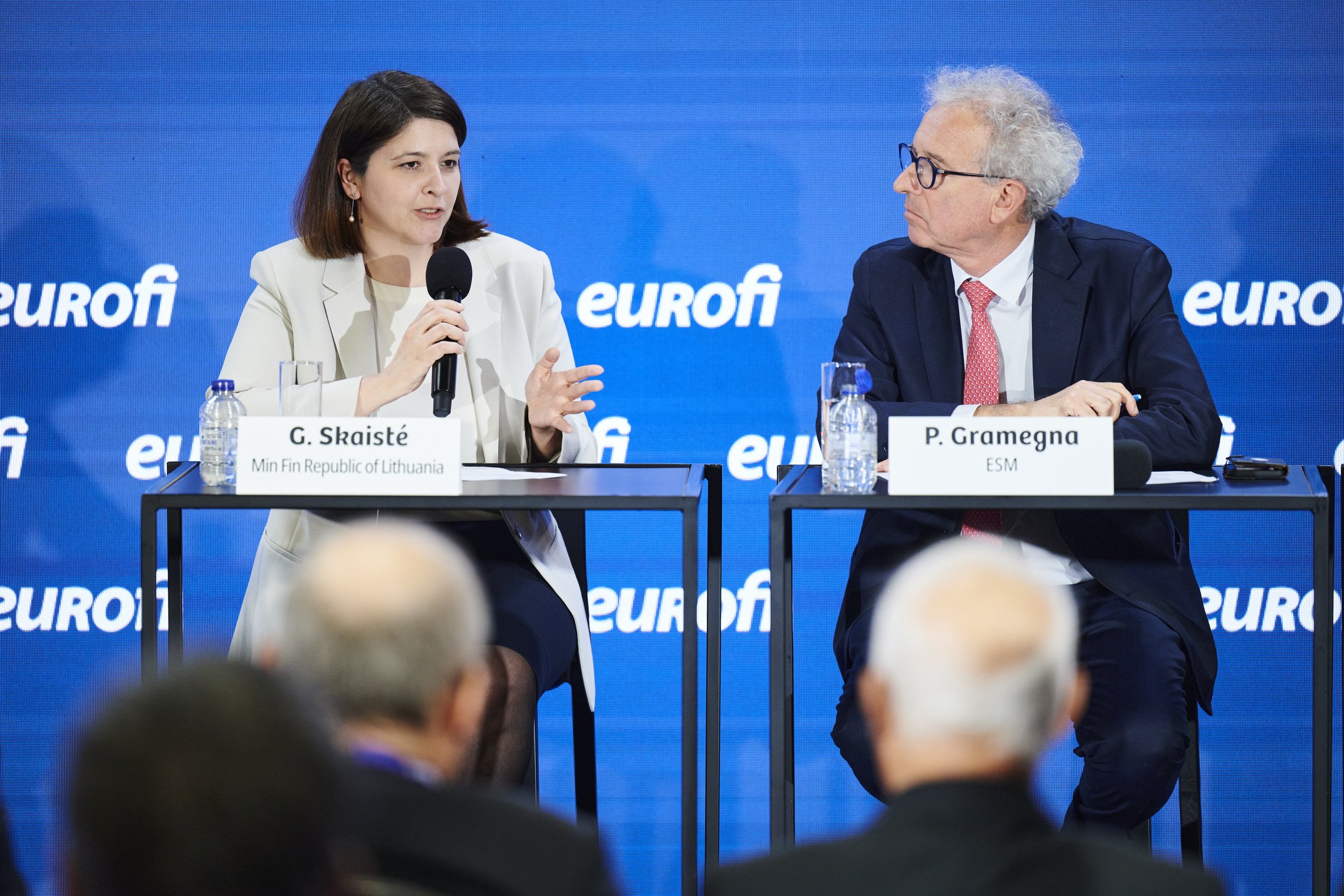
Minister of Finance Gintarė Skaistė, taking part in the EUROFI discussion in Ghent (Belgium), stressed that the new fiscal rules of the European Union (EU) set out the conditions for a more realistic debt reduction in high-debt countries, while leaving room for reforms and investments that increase the growth potential of the economy and strengthen fiscal sustainability.
“The new EU fiscal framework – if properly implemented – has the potential to boost economic growth through targeted investment of public funds. Meanwhile, in high-debt countries, the real level of indebtedness should decrease, and the rules for low-debt countries such as Lithuania will help to maintain the sustainability of public finances in the longer term. In addition, the new rules take into account the changed geopolitical reality by providing flexibility for necessary investments in defence capacity building “, said Ms G. Skaistė during the discussion.
The revised EU fiscal rules foresee that each country will draw up medium-term fiscal-structural plans, which will have to take into account the trajectories of expenditure presented by the European Commission adapted to the specific situation of the country and the state of public finances. These plans will require the countries to present a reform and investment agenda that also responds to common priorities at EU level.
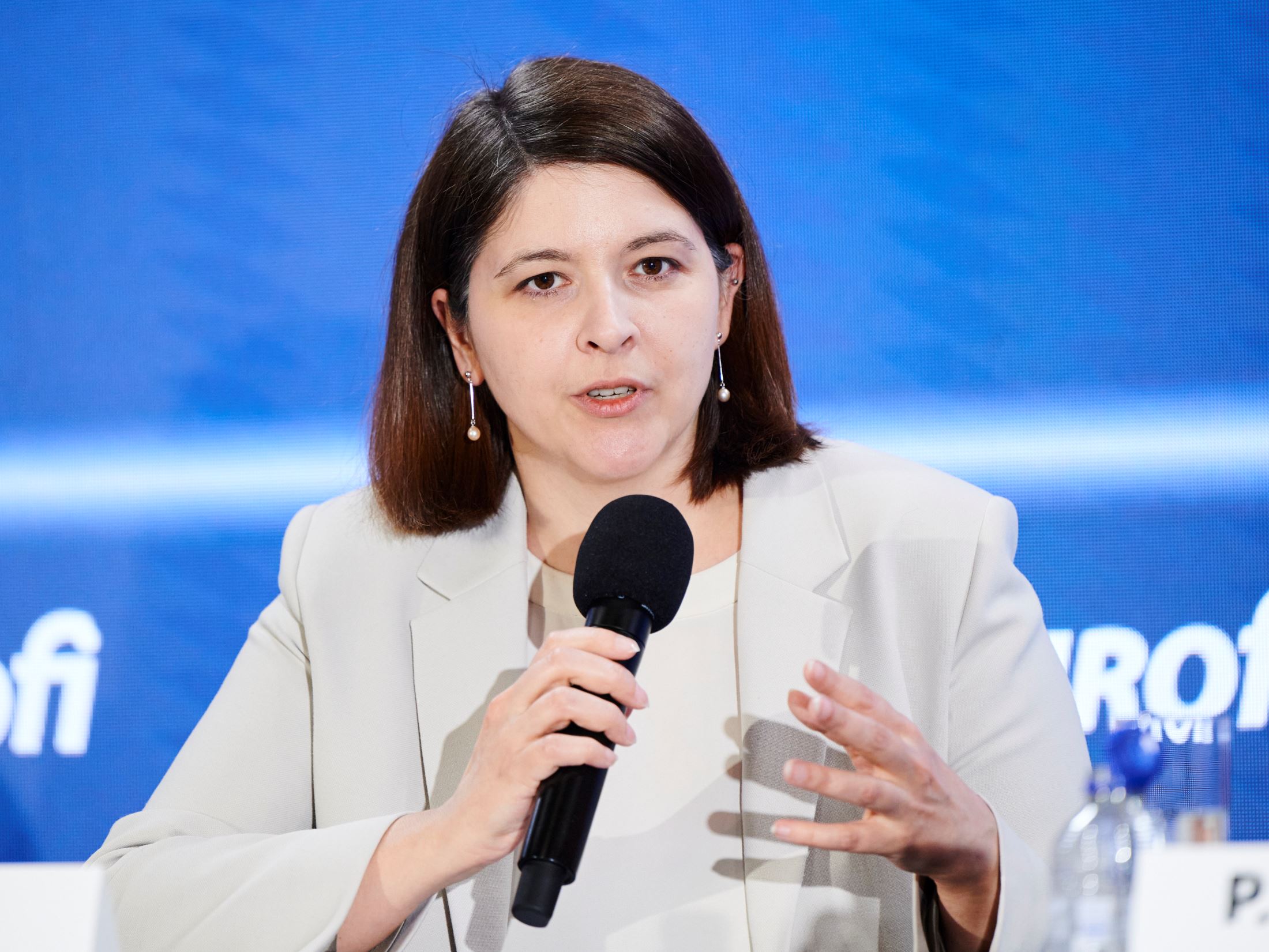
According to the Minister, the new system is rationally focused on high-debt countries, but it is also very important that parameters established for low-debt countries such as Lithuania will help to ensure the maintenance of a sustainable debt level in the medium - long term. In addition, minimum safeguards for debt reduction and deficit levels will apply to all countries, which will help to maintain the equal treatment of countries. It should be stressed that effective implementation of the rules in practice, including also the application of disciplinary measures for the countries in the event of failure to comply with their commitments, is of the utmost importance.
The Minister also noted that she welcomed the decision reached to take into account the proposal consistently raised byLithuania during the negotiations to allow limited flexibility for investments in defence capacity building, which would help the countries to accelerate their investments in this strategically important area.
Last updated: 27-02-2024