

International Monetary Fund: Lithuania's economic growth will accelerate, fiscal challenges require responsible decisions
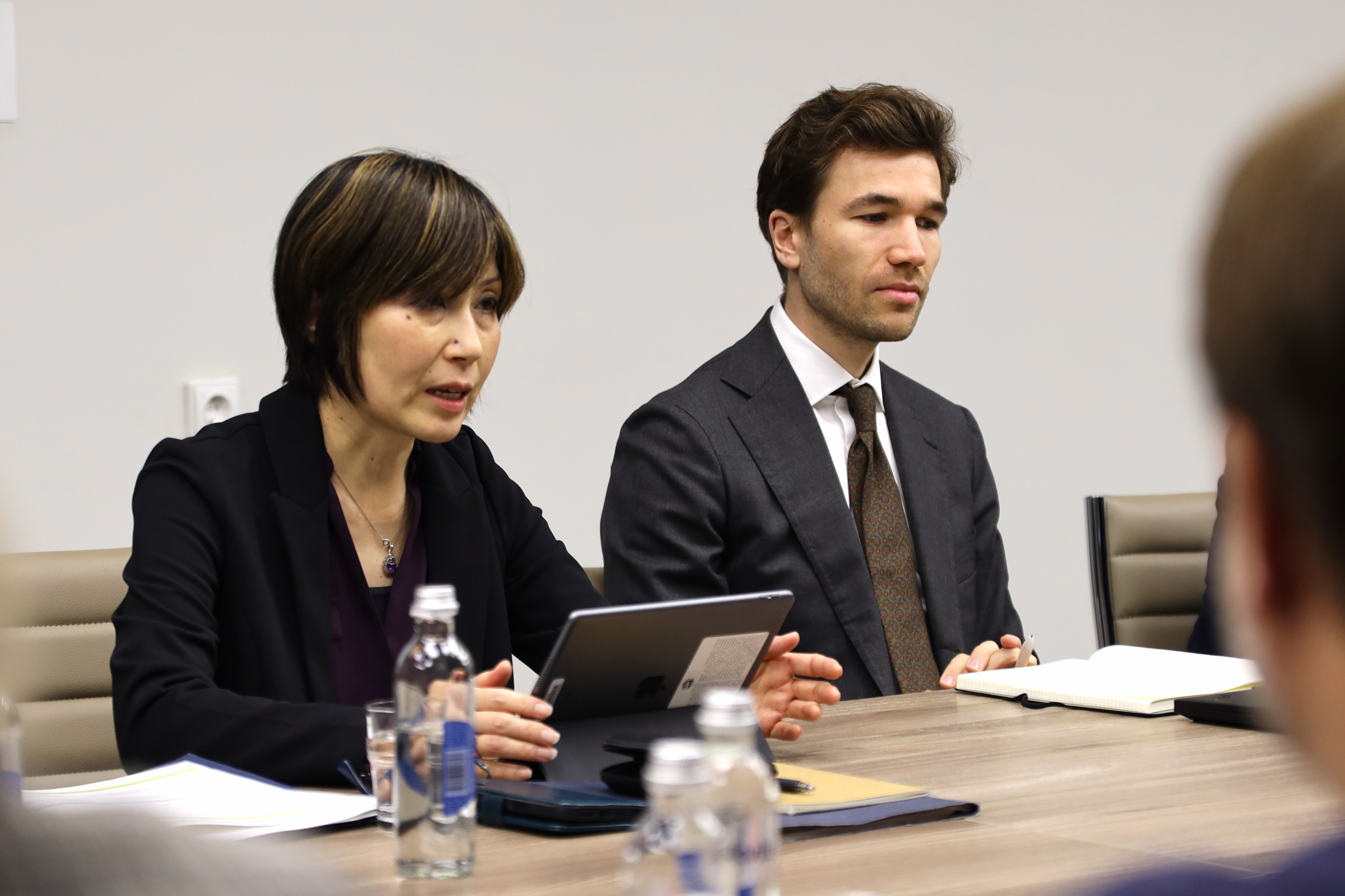
The International Monetary Fund (IMF) forecasts that, after strong growth in 2024, this year's Lithuania’s economic growth will be moderate, while in 2026, driven by higher private consumption, steady wage growth and investment, particularly driven by EU support, it is expected to accelerate. However, the IMF warns that risks remain, with weaker-than-expected external demand, especially from Lithuania’s main euro area partners, and trade uncertainty potentially weighing on exports and investment.
“The IMF projections confirm that Lithuania’s economy remains resilient to external threats. However, we must act responsibly. Against the backdrop of persistent challenges, the draft State budget adequately responds to the current needs of the country, which are also highlighted by IMF experts – the need to increase defence and security spending, increase personal well-being and carry out structural reforms needed to increase the productivity of the country's economy, maintain fiscal discipline and ensure debt sustainability in the long term", Minister of Finance Kristupas Vaitiekūnas emphasizes.
In October 2025, annual inflation in Lithuania reached 3.7%. The rise in the consumer price index over the last 12 months is mainly due to higher excise duties, food and services prices. According to the IMF, inflation is expected to peak in 2025, so inflation will gradually decline and remain just above 2% over the medium term. The IMF stresses the need to increase the productivity of the economy in order to reduce cost pressures on prices and preserve the country's competitiveness.
The IMF notes that while the Government is committed to ensuring the long-term sustainability of public finances, the deficit and the debt will increase in 2026 due to proposed increases in defence spending, which is expected to be the highest in Lithuania's history next year, and expenditure to increase the personal income and social security. The IMF warns that Lithuania's public finance policy challenges in the future will be related to demographic changes and financing needs for defence and security measures, therefore, it is necessary to effectively mobilise sustainable sources of revenue and improve cost-effectiveness.
“It is important to continue expanding Lithuania’s financial and capital sector, which would strengthen the potential of the economy and support solid growth in the future. Given the increased demand for defence funding, it would be particularly useful to develop a state-authorised retail investment product for the population, which could be purchased in small amounts. This would allow a number of objectives to be achieved: the Government would be able to borrow more easily and cheaper, the residents would employ their savings and get a guaranteed return, the investment culture would be fostered and the defence and financial sectors would be expanded", Gediminas Šimkus, Chairman of the Board of the Bank of Lithuania, states.
According to the IMF, Lithuania’s banking sector remains resilient, with capital and liquidity ratios well above regulatory requirements, strong deposit growth and expanding loan portfolios. Bank profitability remains solid and asset quality high, with the level of non-performing loans historically low. The non-banking sector in Lithuania is relatively small, but it is important to continue ensuring effective supervision of the sector in light of the rapidly expanding activity of financial technology. The real estate market remains active due to lower interest rates and consistent wage growth. It is important that macroprudential policies remain flexible while maintaining vigilance in response to persistent trade tensions and cybersecurity threats.
Strengthening the financial and social stability of the multi-pillar pension system will be crucial in response to adverse demographic shifts. A comprehensive strategy that incorporates these elements is essential to ensure long-term fiscal sustainability.
You can read more about the IMF report here.
Last updated: 24-11-2025
Related news:
Minister of Finance met with the Ambassador of Ireland to Lithuania