

Minister of Finance G. Skaistė: "It Is Necessary to Ensure That EU Financial Assistance Reaches Ukraine in the Near Future"
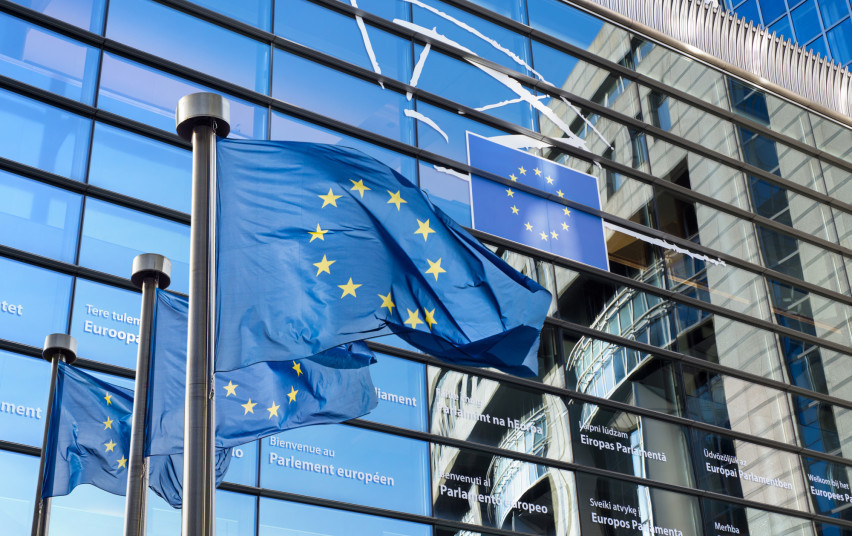
On January 16-17, Minister of Finance Gintarė Skaistė will participate in the meetings of the European Union (EU) finance ministers in Brussels, where the greatest attention will be paid to discussing the EU economic situation in the face of Russia's war against Ukraine and the Community's financial assistance to Ukraine.
At the ECOFIN meeting, the European Commission (EC) will present an assessment of the economic and financial situation of the EU and Ukraine and will provide the latest information on the implementation of the Macrofinancial Assistance Package for Ukraine, by which in 2023 the country is expected to receive EUR 18 billion assistance.
"At the end of the previous year, after reaching an agreement on the EUR 18 billion assistance package for Ukraine, at the moment the essential task is to ensure that the first payment reaches the country as soon as possible, before the end of January. This is extremely important in helping Ukraine to resist the aggressor and maintain a functioning state. Depending on the course of the war, Ukraine's real financing needs in 2023 may be higher than currently estimated, so the EU must be ready to respond flexibly to the ongoing situation and, if necessary, expand the scope of assistance," says Minister of Finance G. Skaistė.
During the ECOFIN meeting, Sweden, holding the presidency of the EU Council from January 1, will present its priorities in the field of economy and finance. The ECOFIN is also expected to approve the Council's conclusions on the Annual Review of Sustainable Growth, the Alert Mechanism Report and the Eurozone recommendations, and to adopt the Council Implementing Decisions under the Recovery and Resilience Facility (RRF).
During the Eurogroup (EG) meeting, there will be a discussion on the economic situation of the euro area, including the assessment of the International Monetary Fund (IMF). There will also be an exchange of views on the national measures applied by the countries to amortize the negative impact of high energy prices on residents and businesses.
During the EG meeting, the aspects of the EU Economic Governance review relevant to the euro area will be discussed, such as the monitoring of post-programme countries, the macroeconomic imbalances procedure and the effectiveness of the mechanism for ensuring the implementation of rules.
With Croatia becoming the 20th member of the euro area on January 1 this year, the meeting will briefly present the latest information related to the conversion of Croatian kunas to euros. The progress in the development of the digital euro project will be also discussed.
Last updated: 13-02-2023
Related news:
Minister of Finance met with the Ambassador of Ireland to Lithuania