

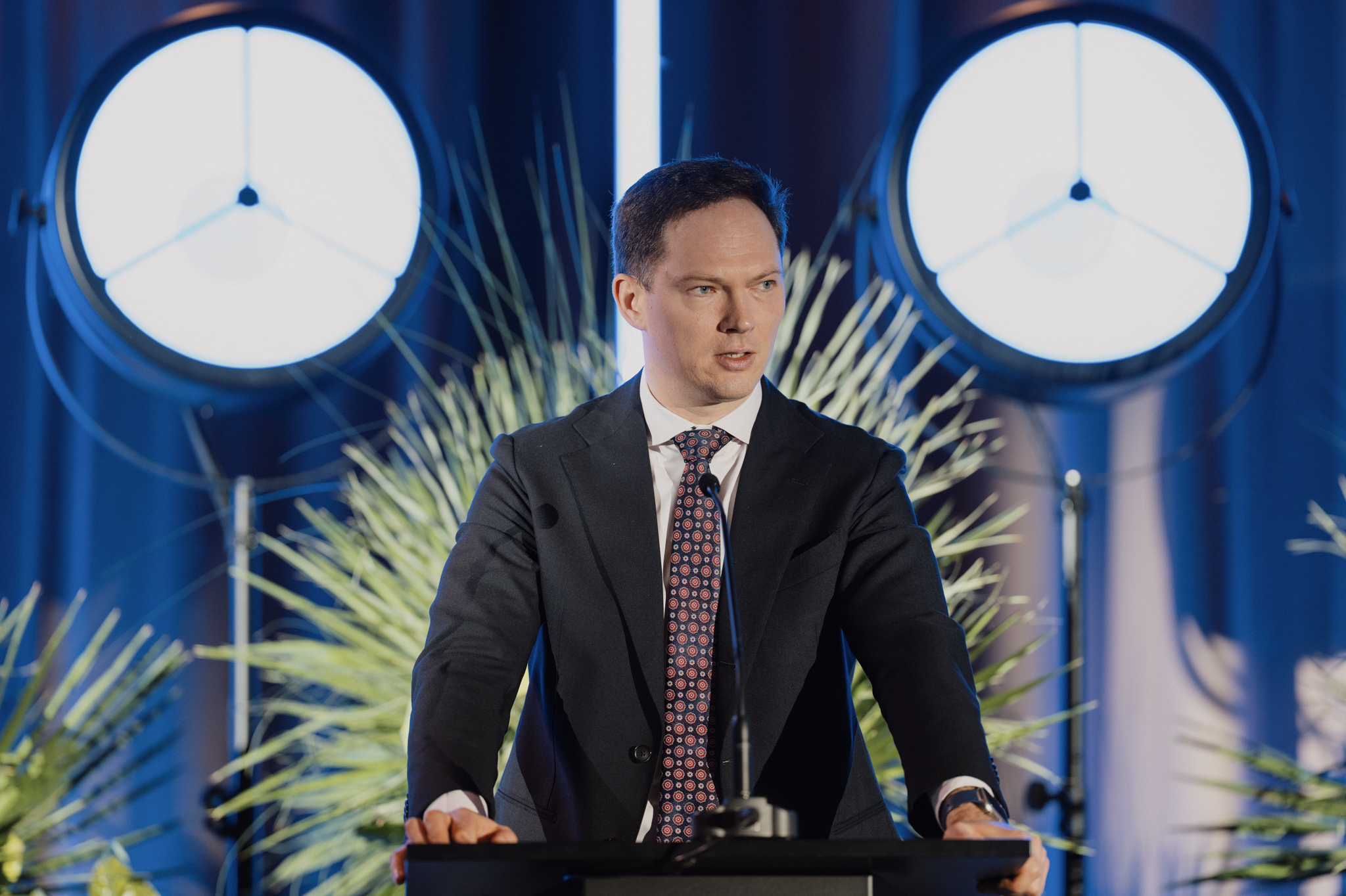
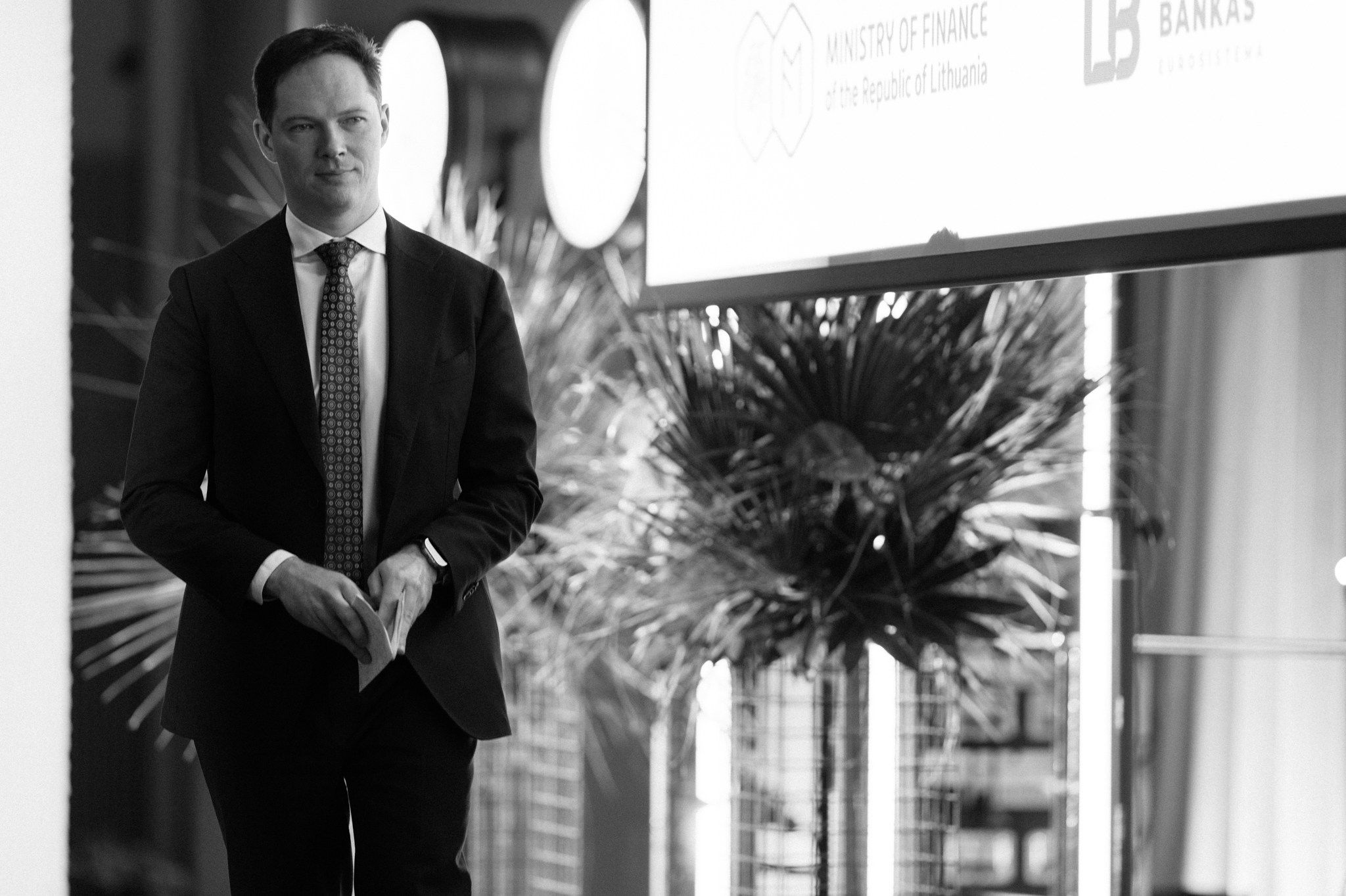
Minister of Finance K. Vaitiekūnas: "With strengthening resilience of Lithuania and the region and increasing defence needs, the importance of capital markets is inevitably growing"
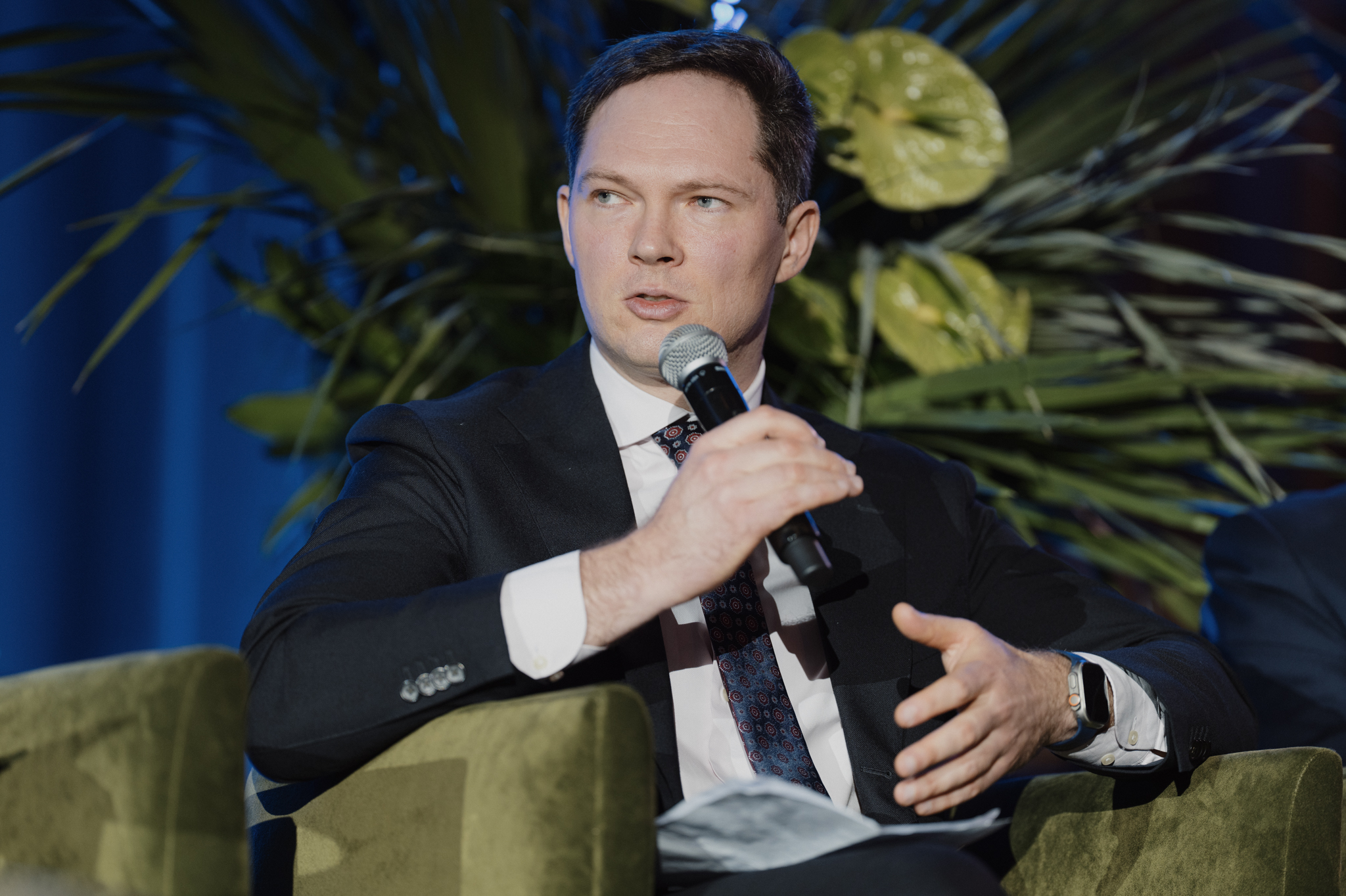
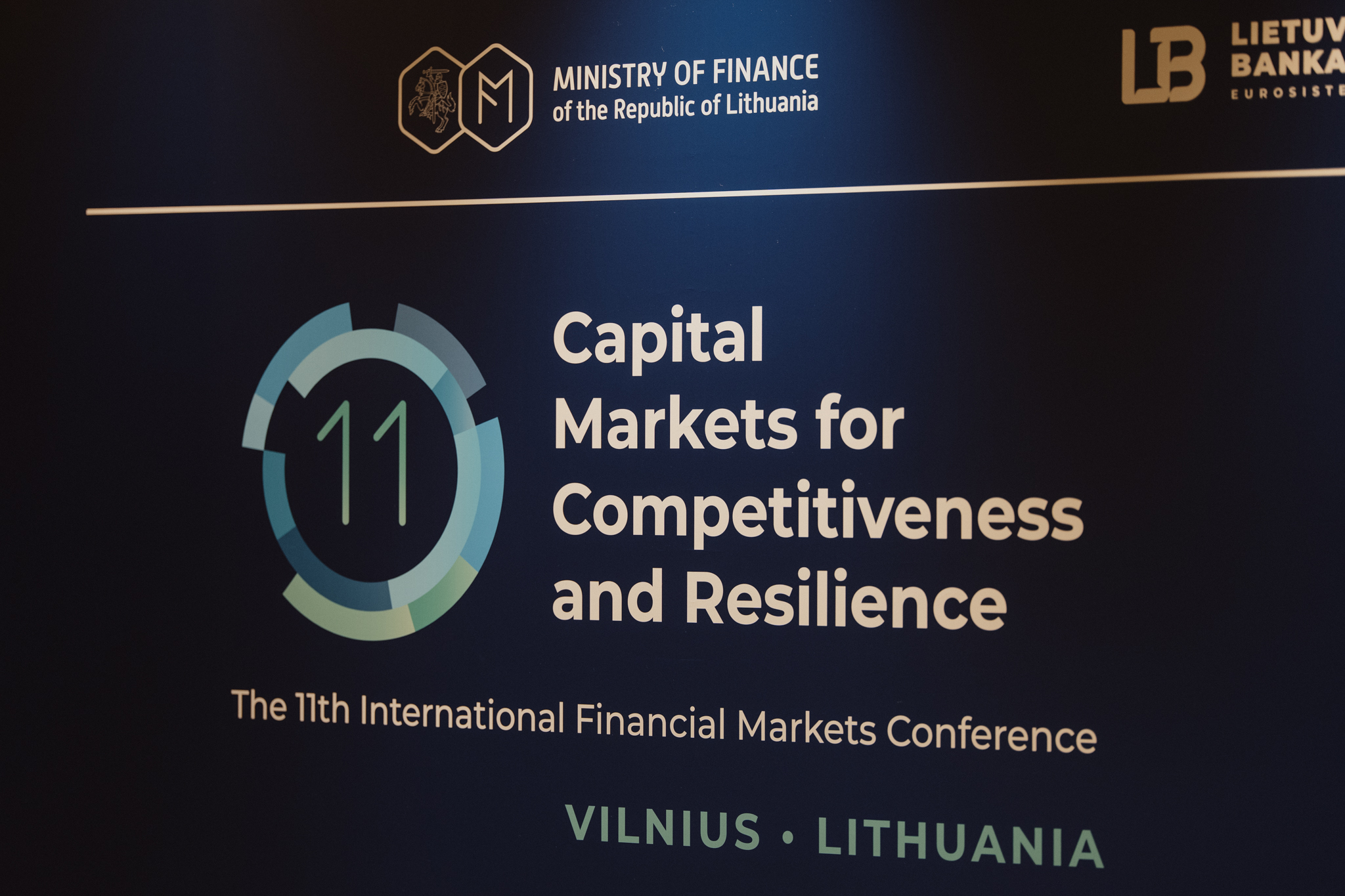
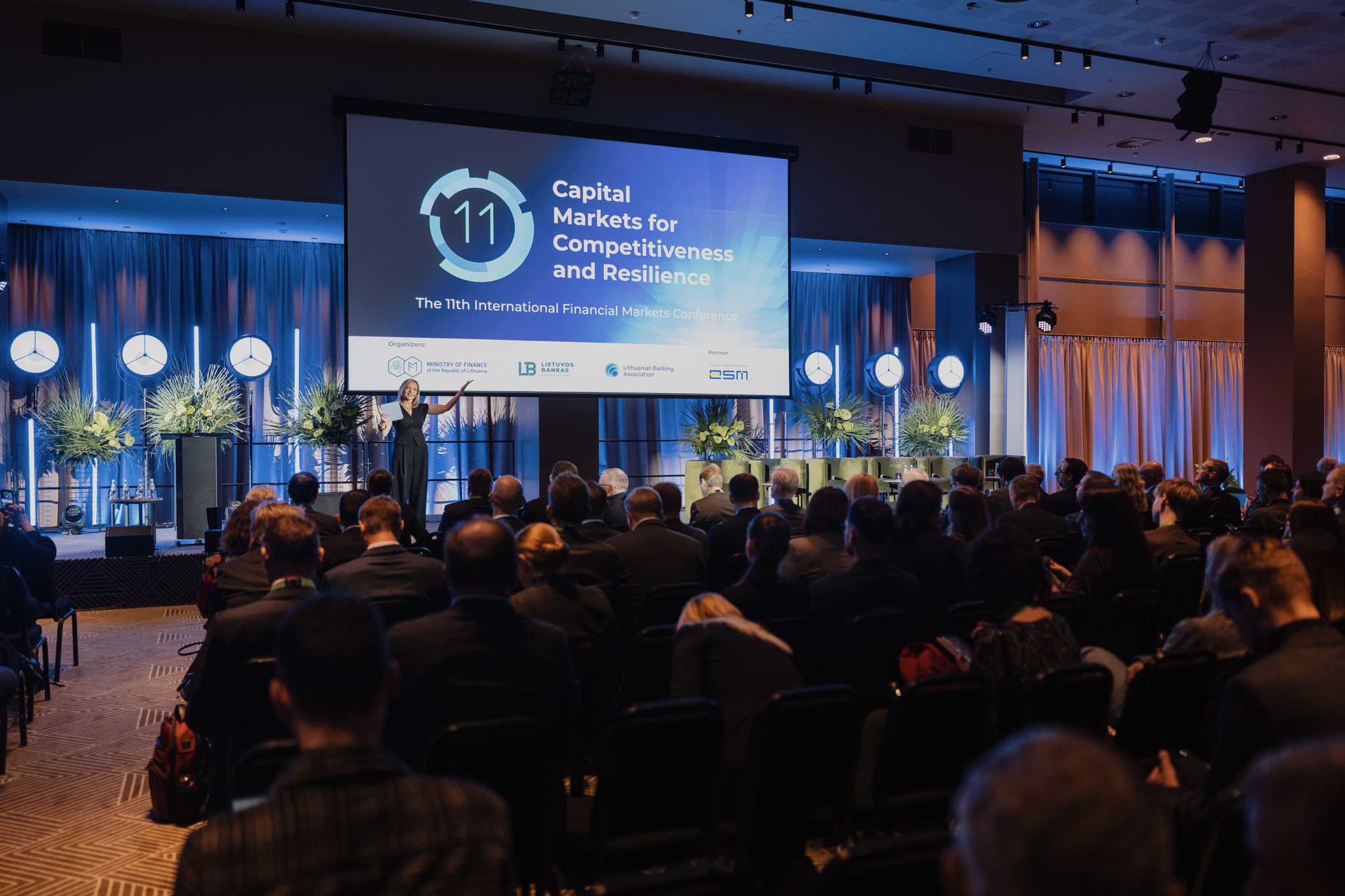
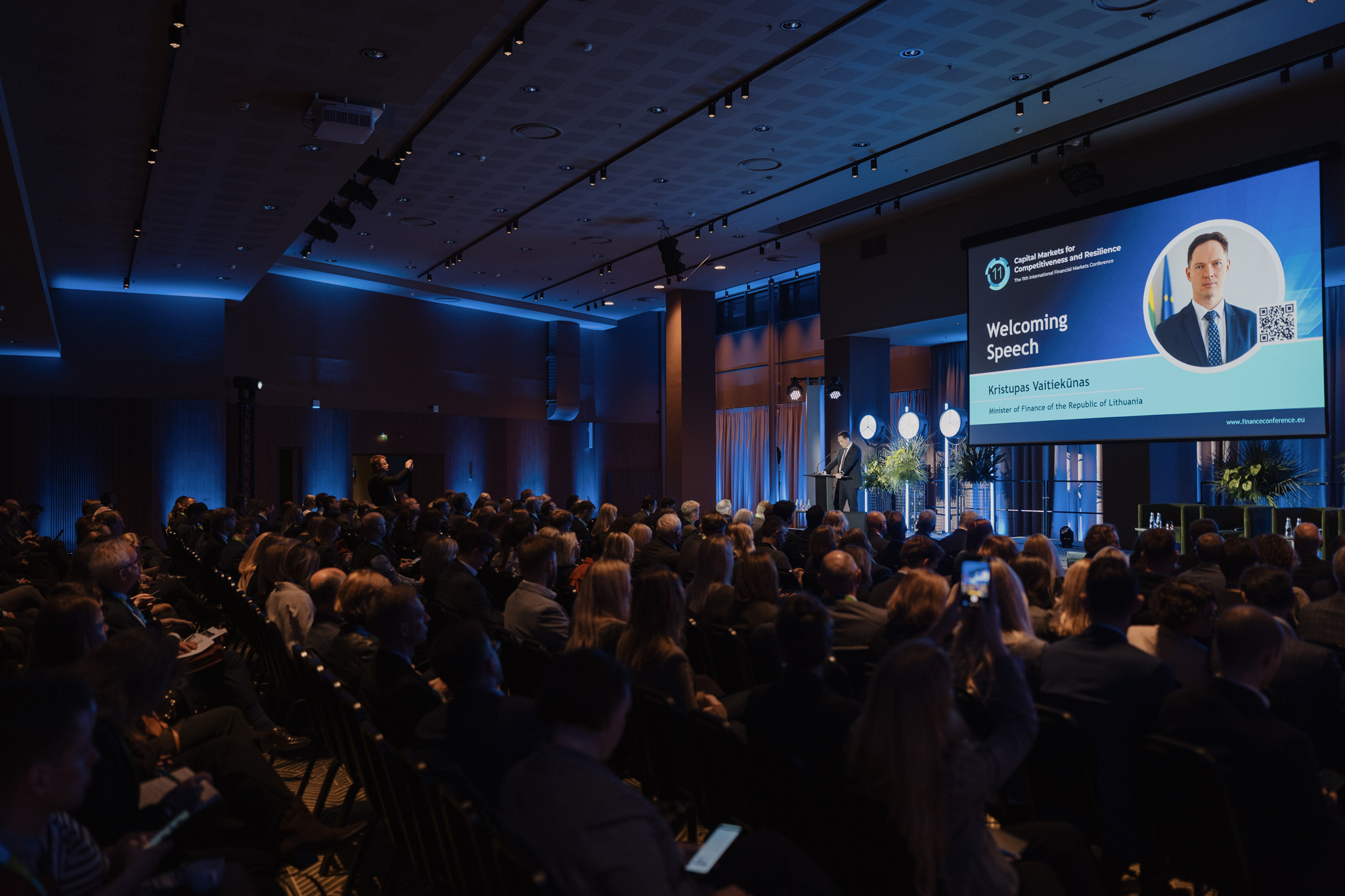
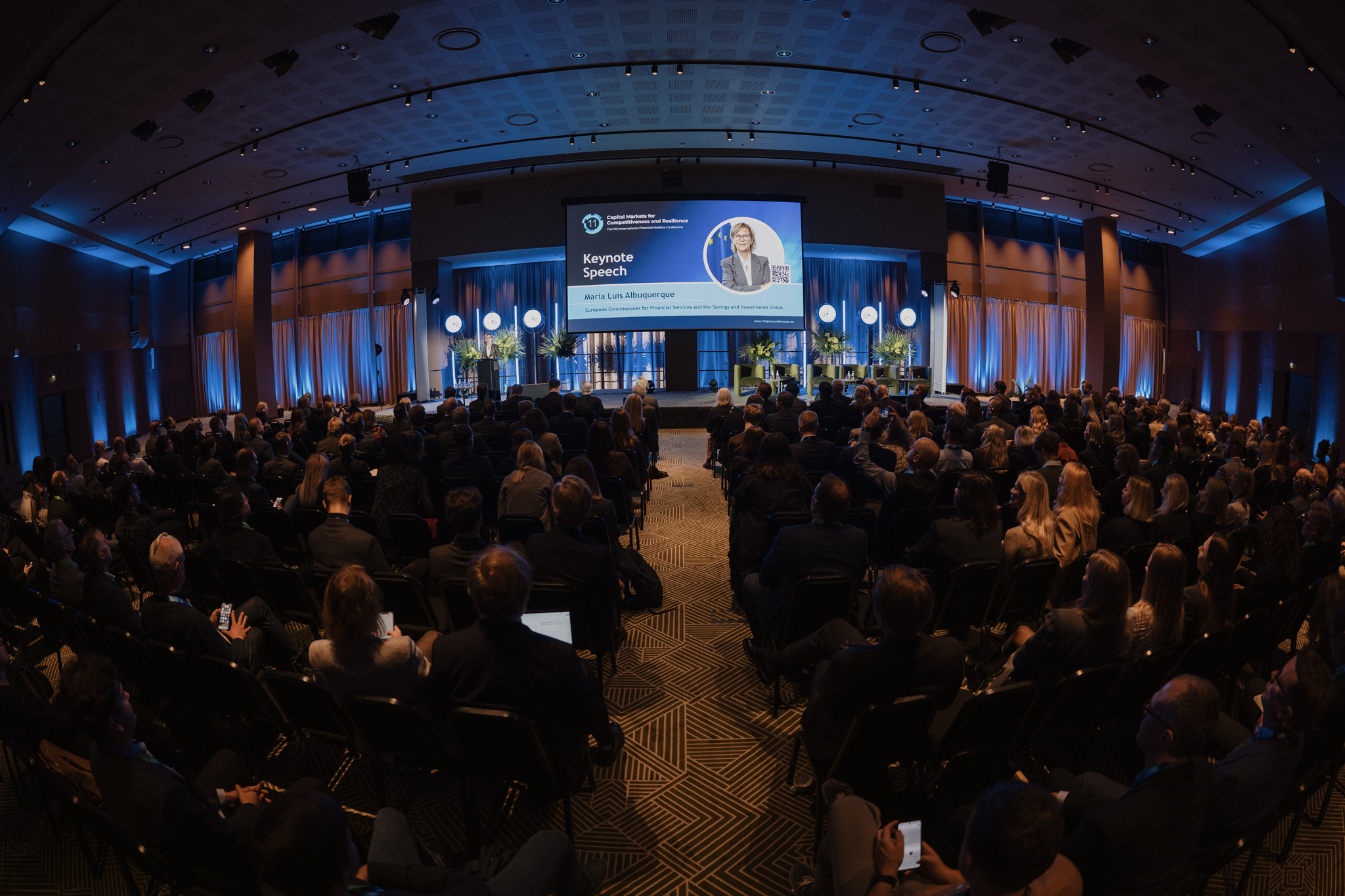
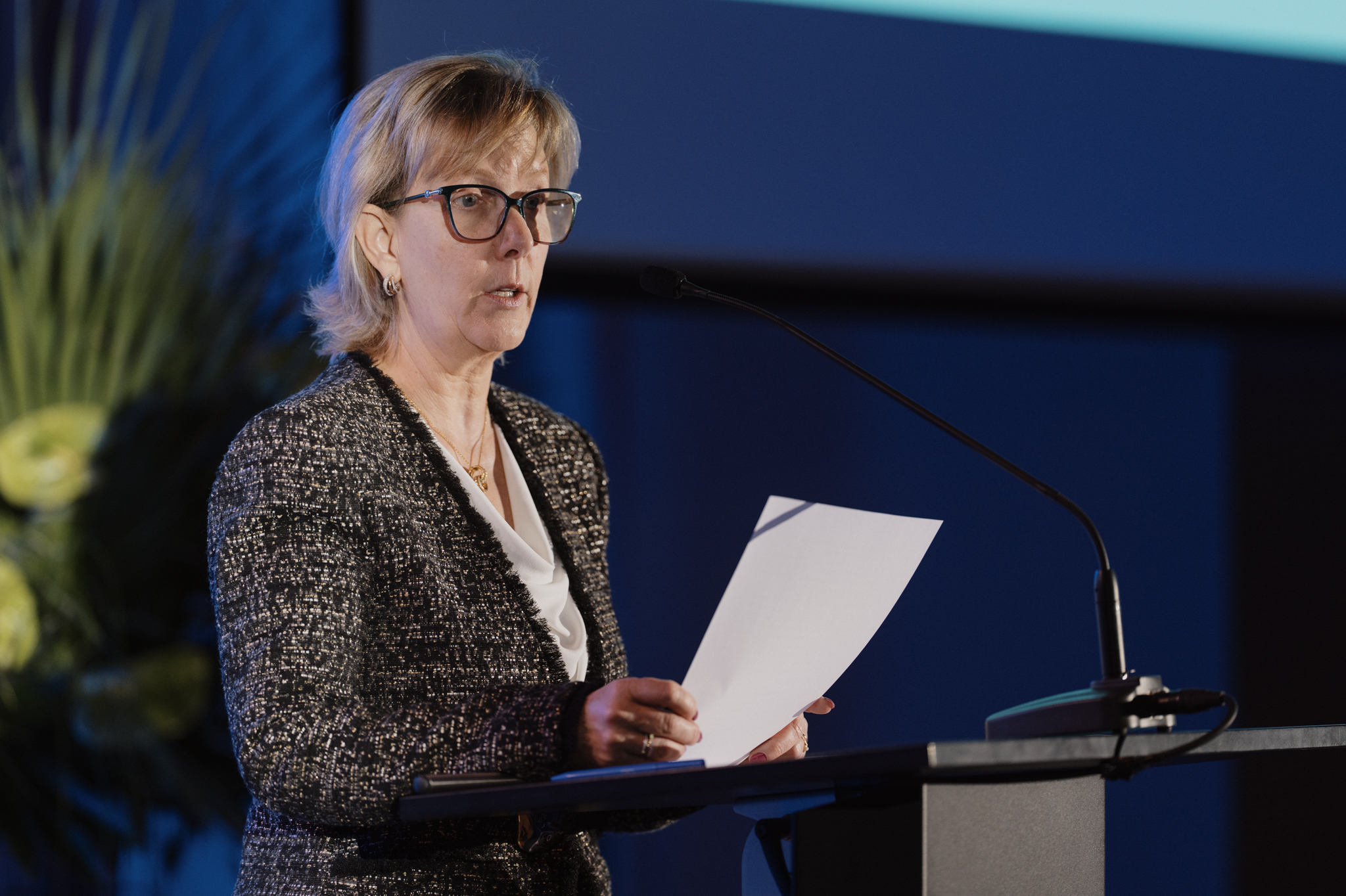
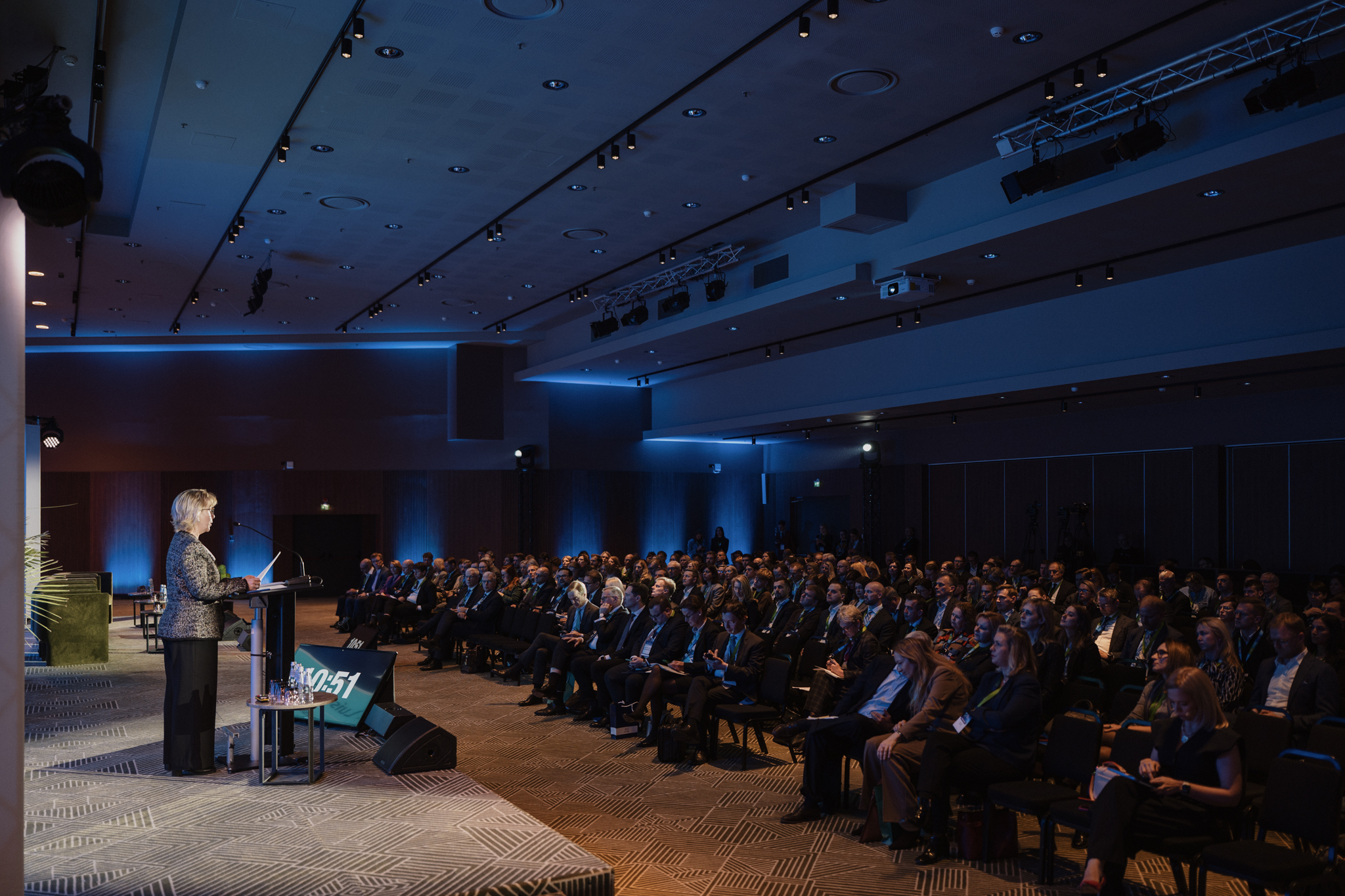
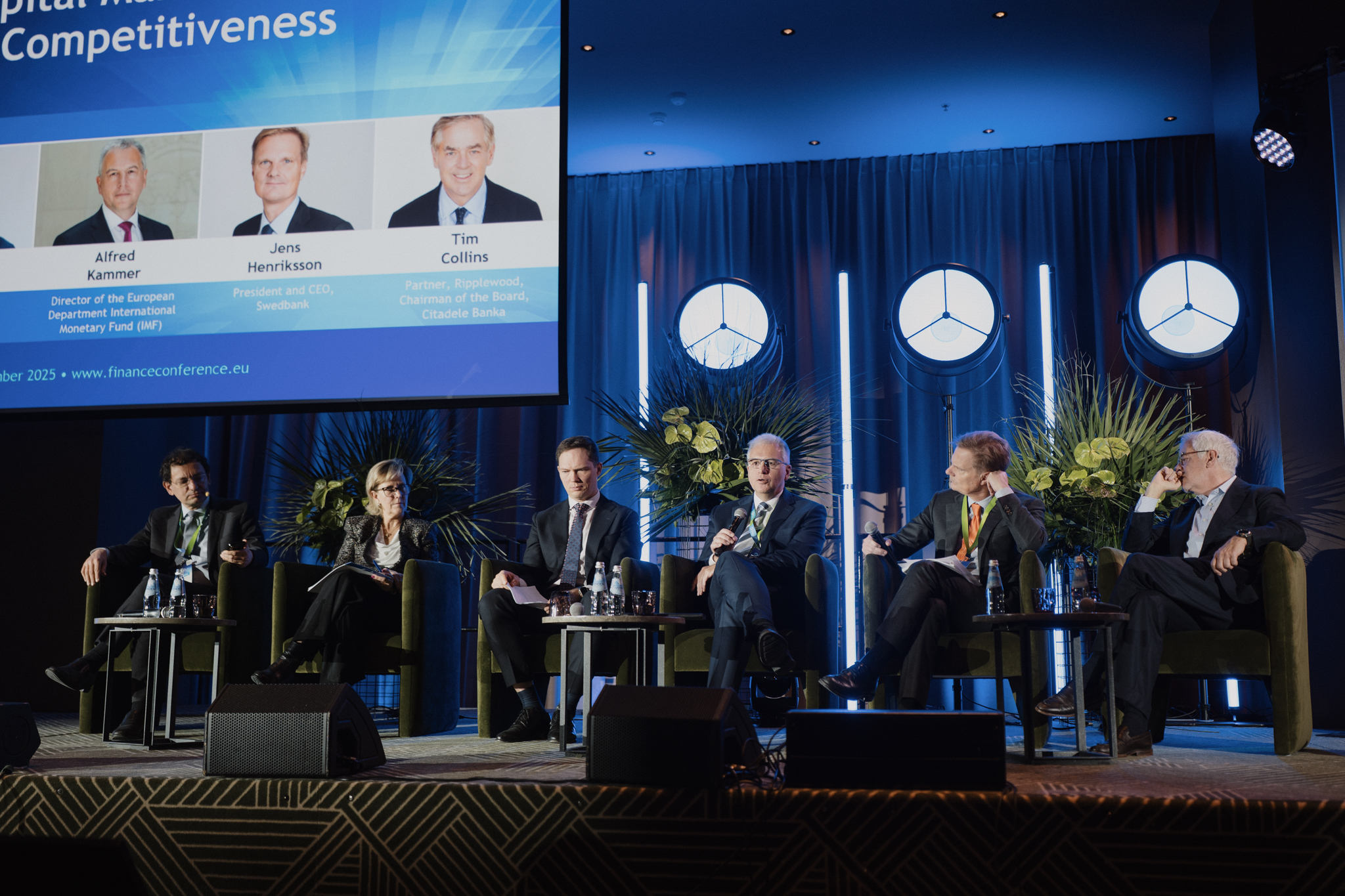
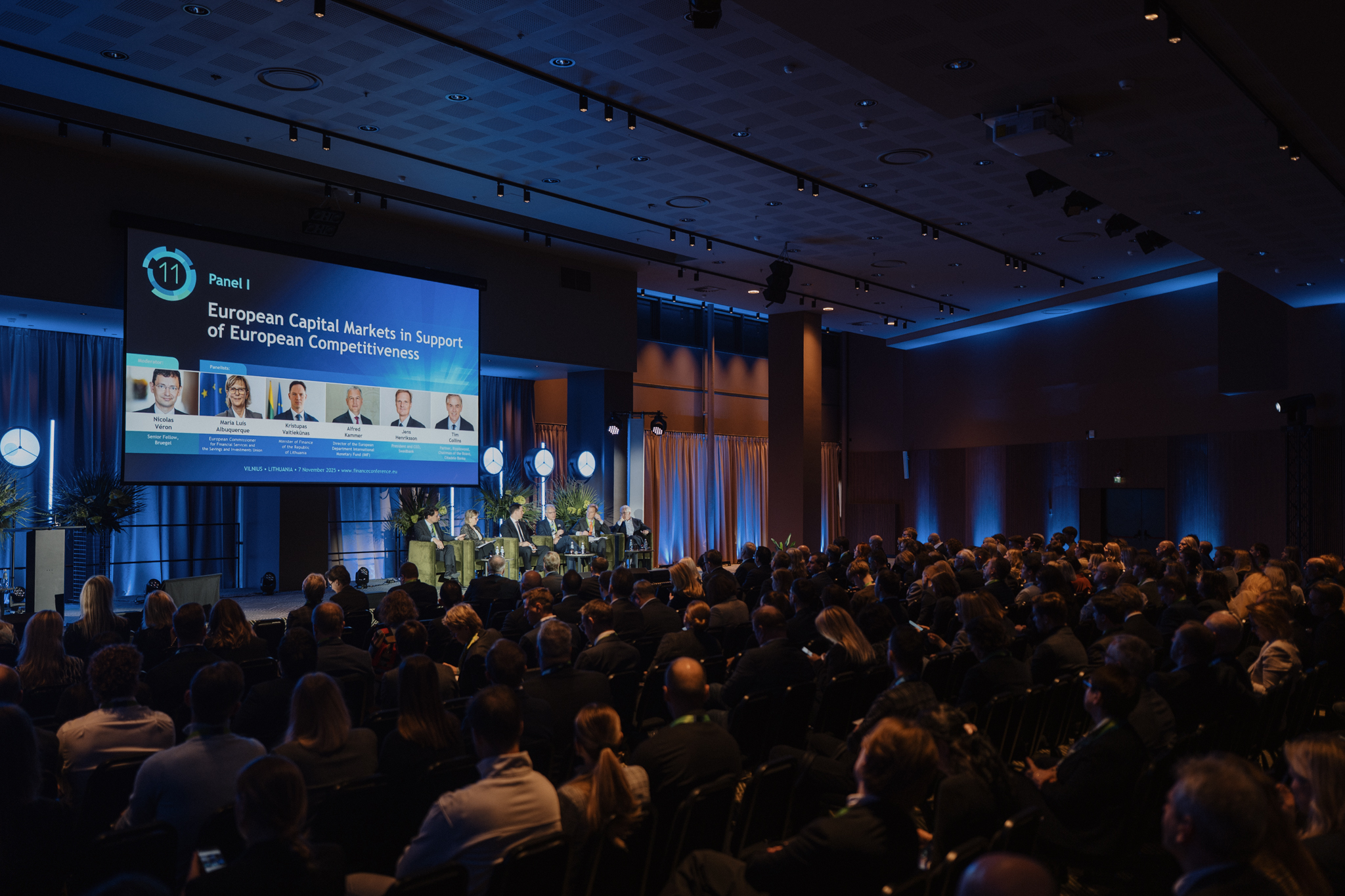
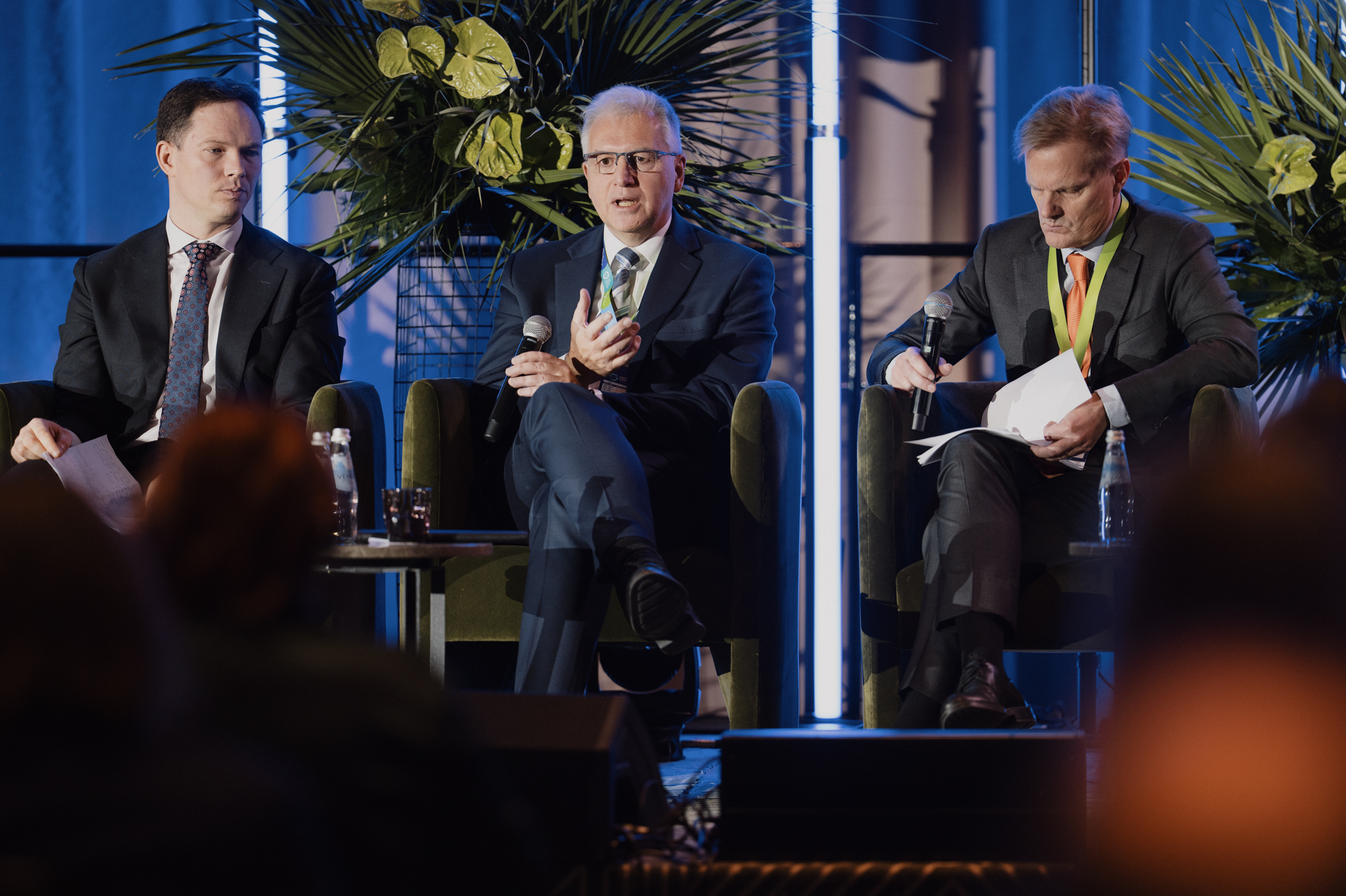
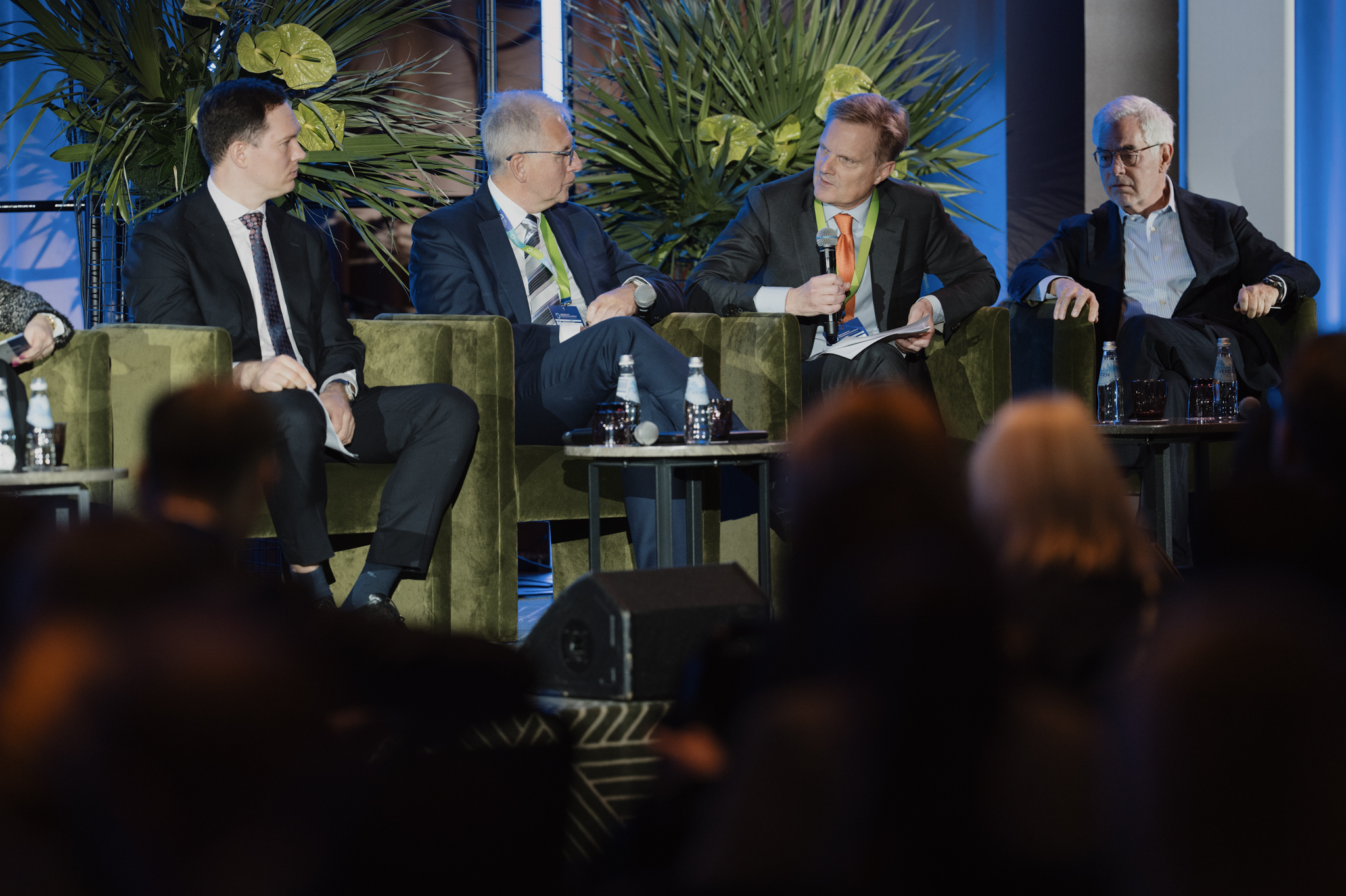
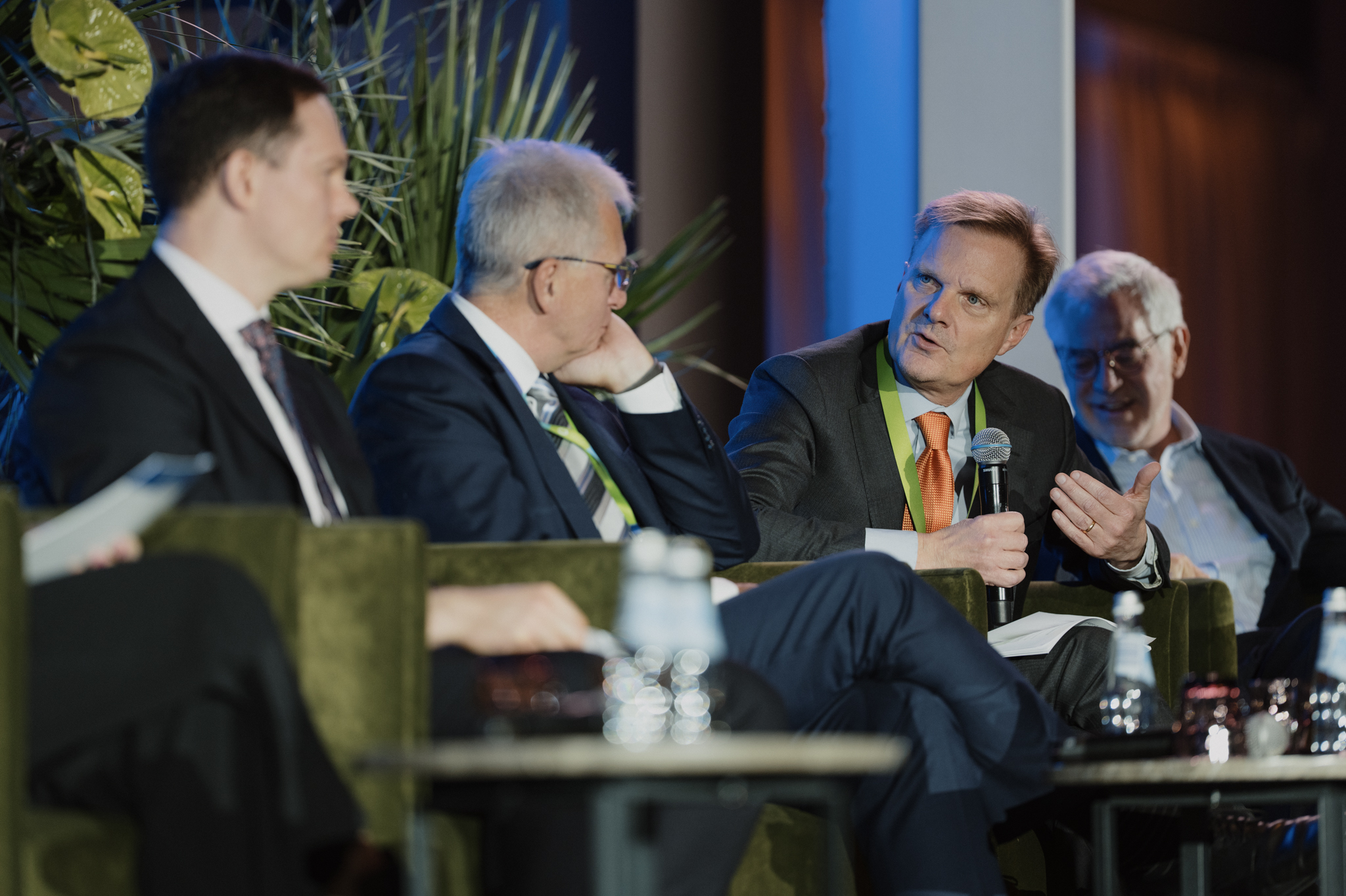
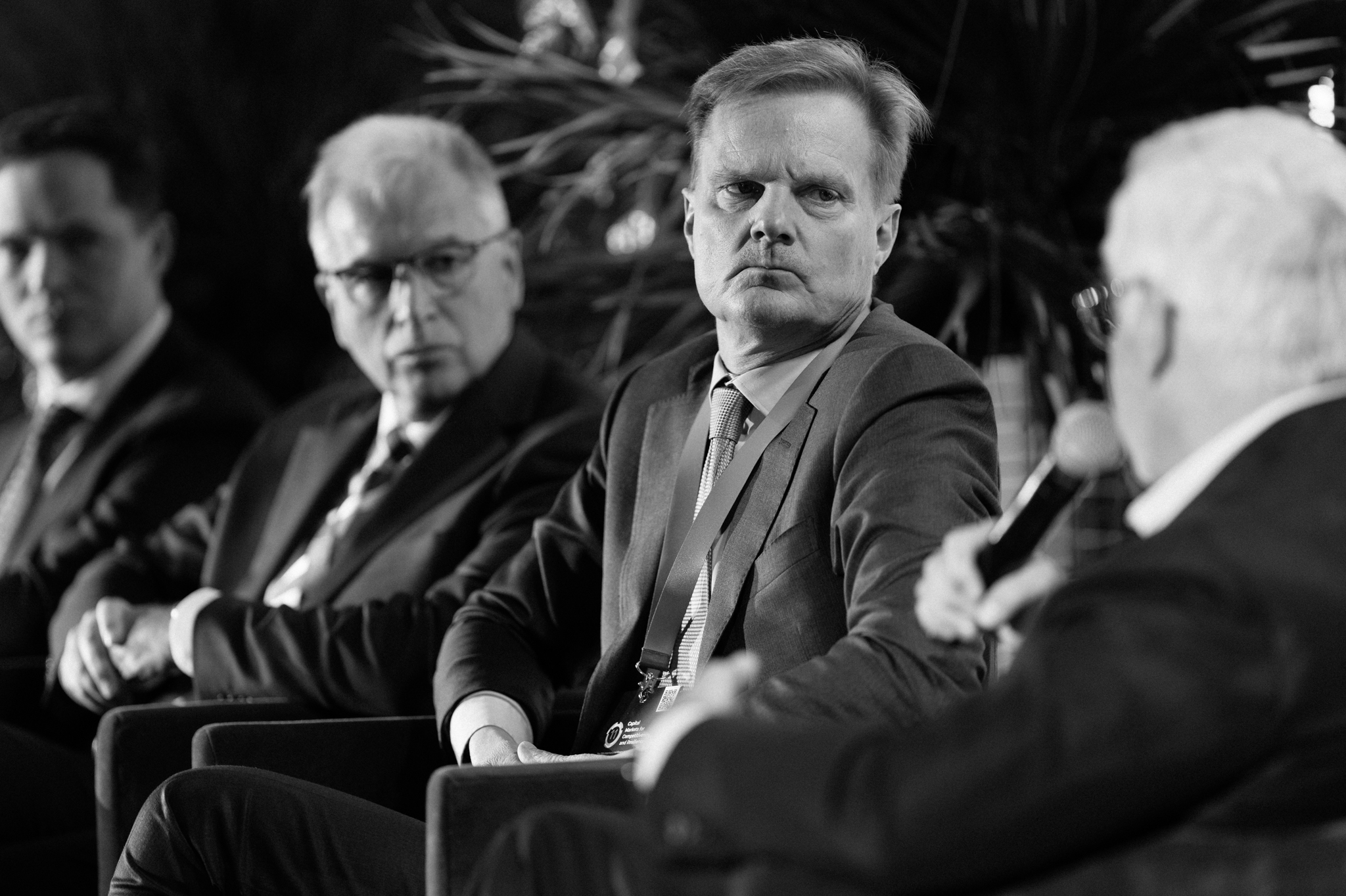
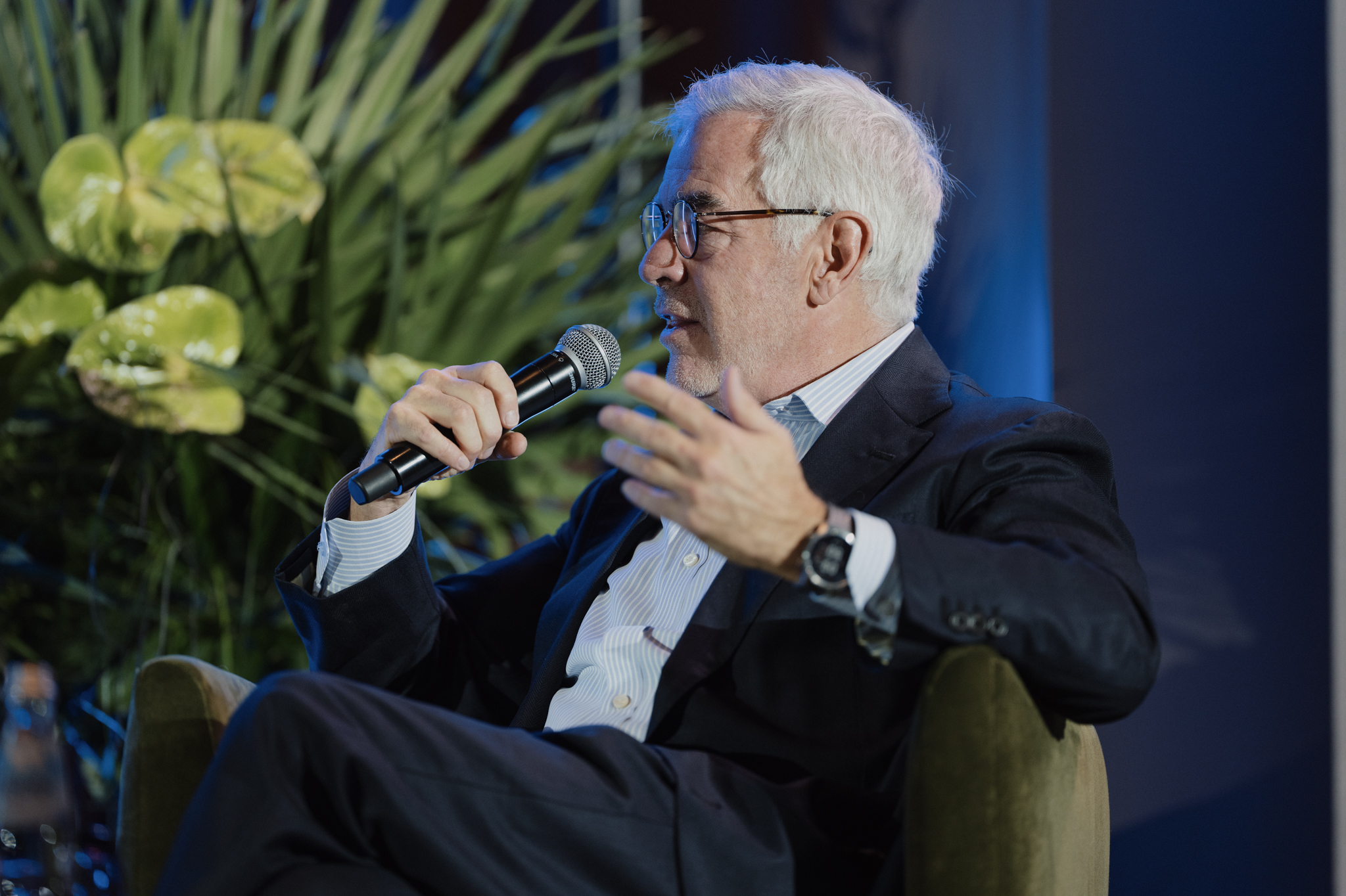
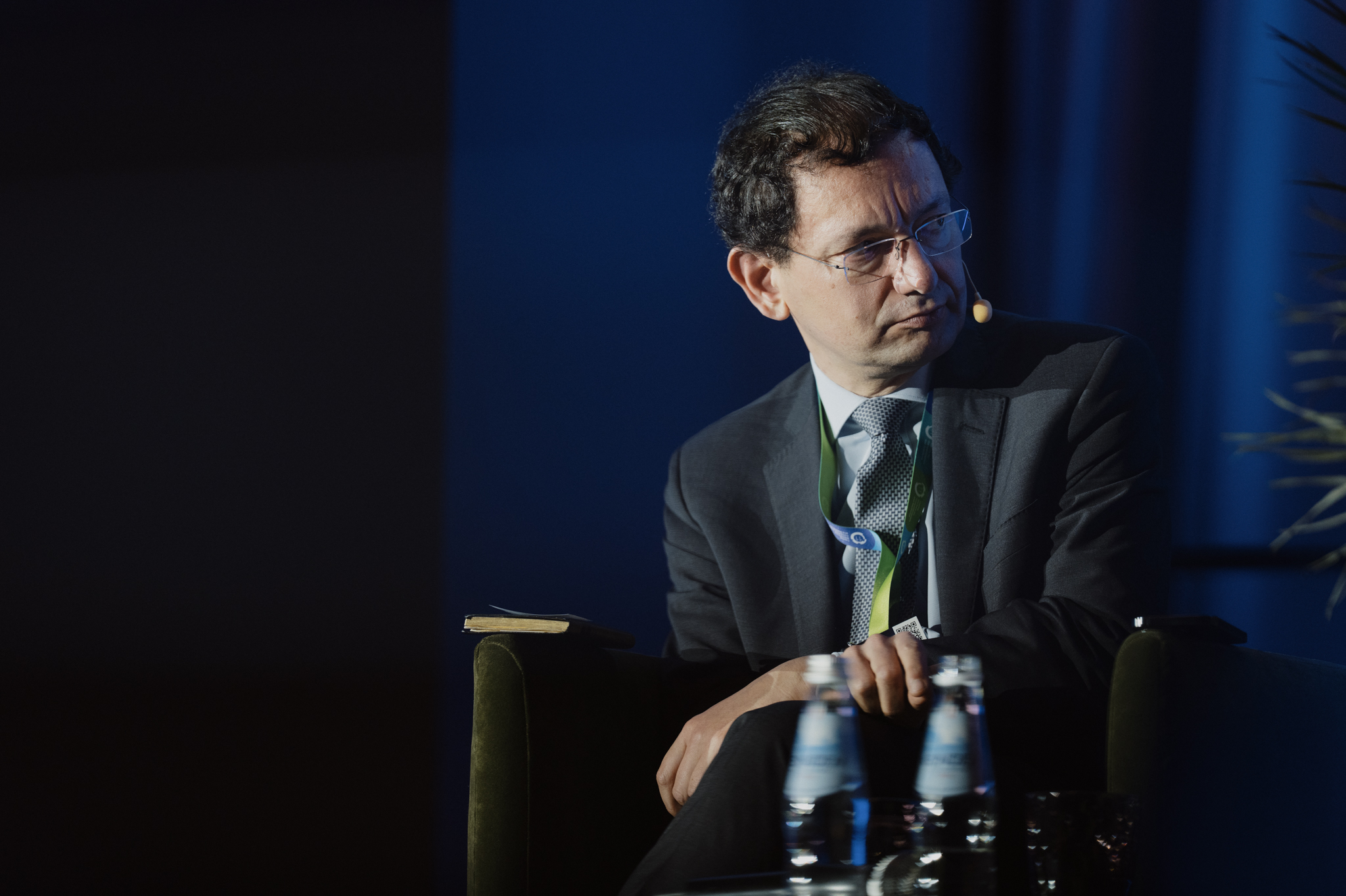
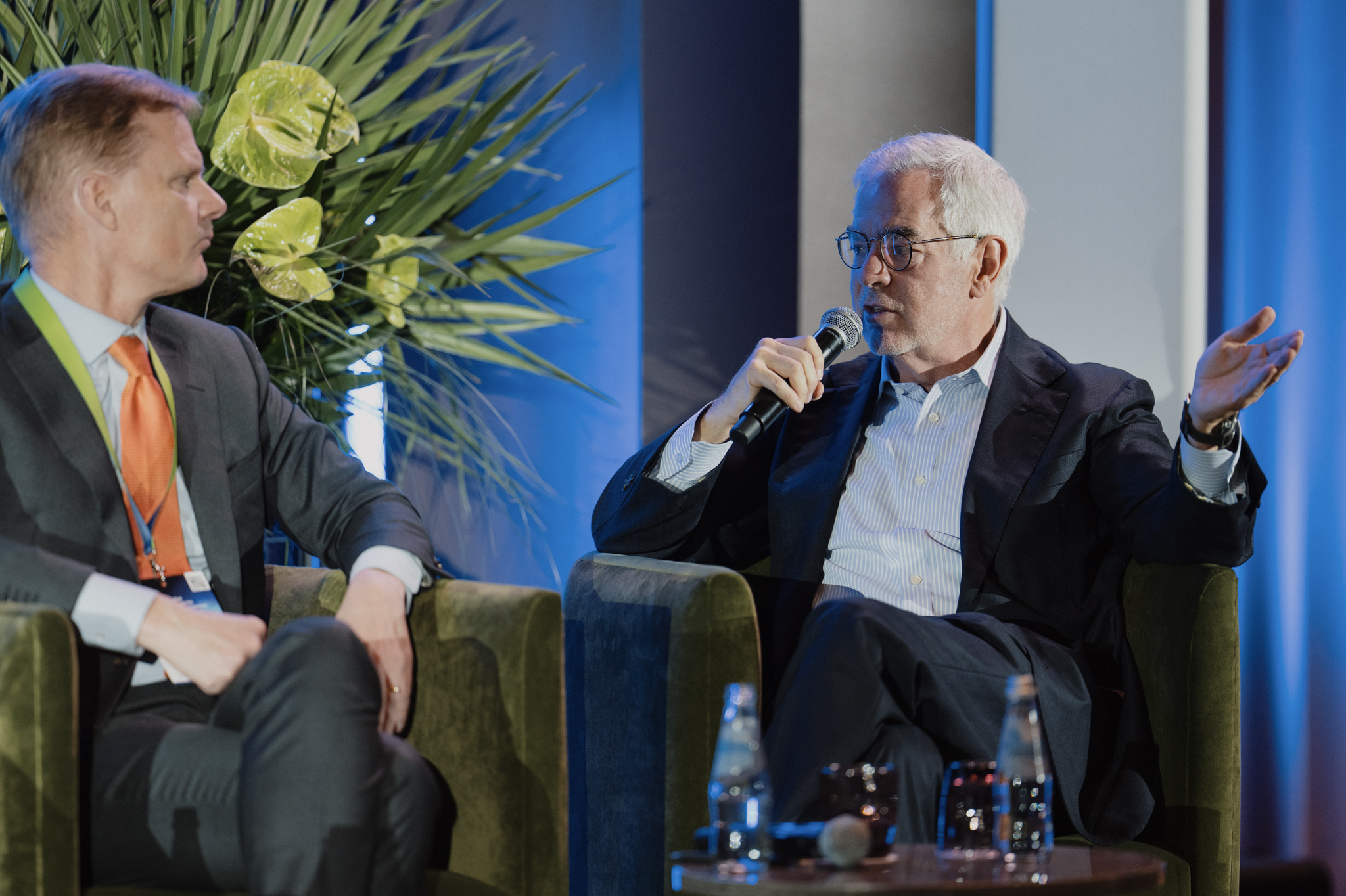
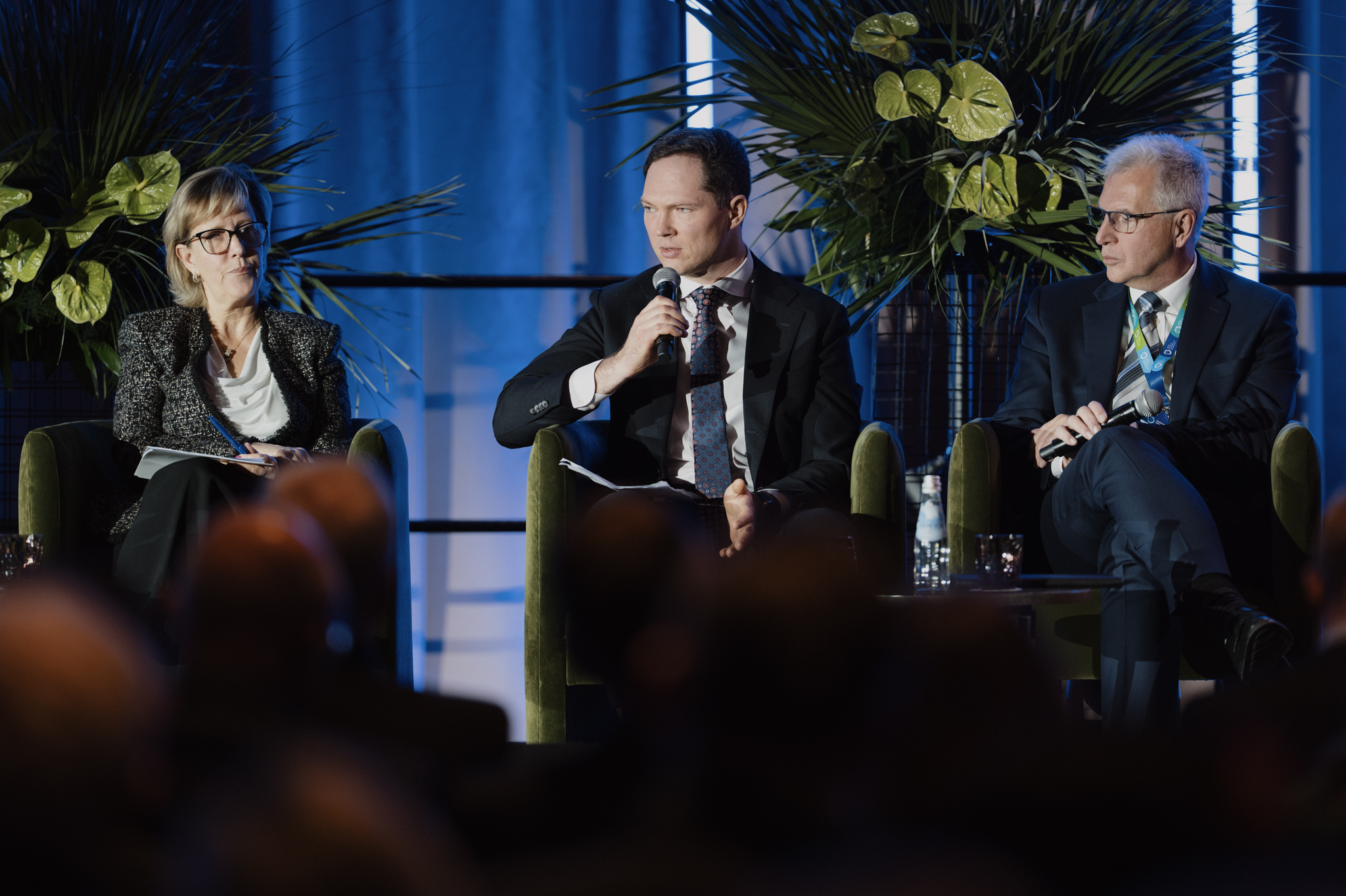
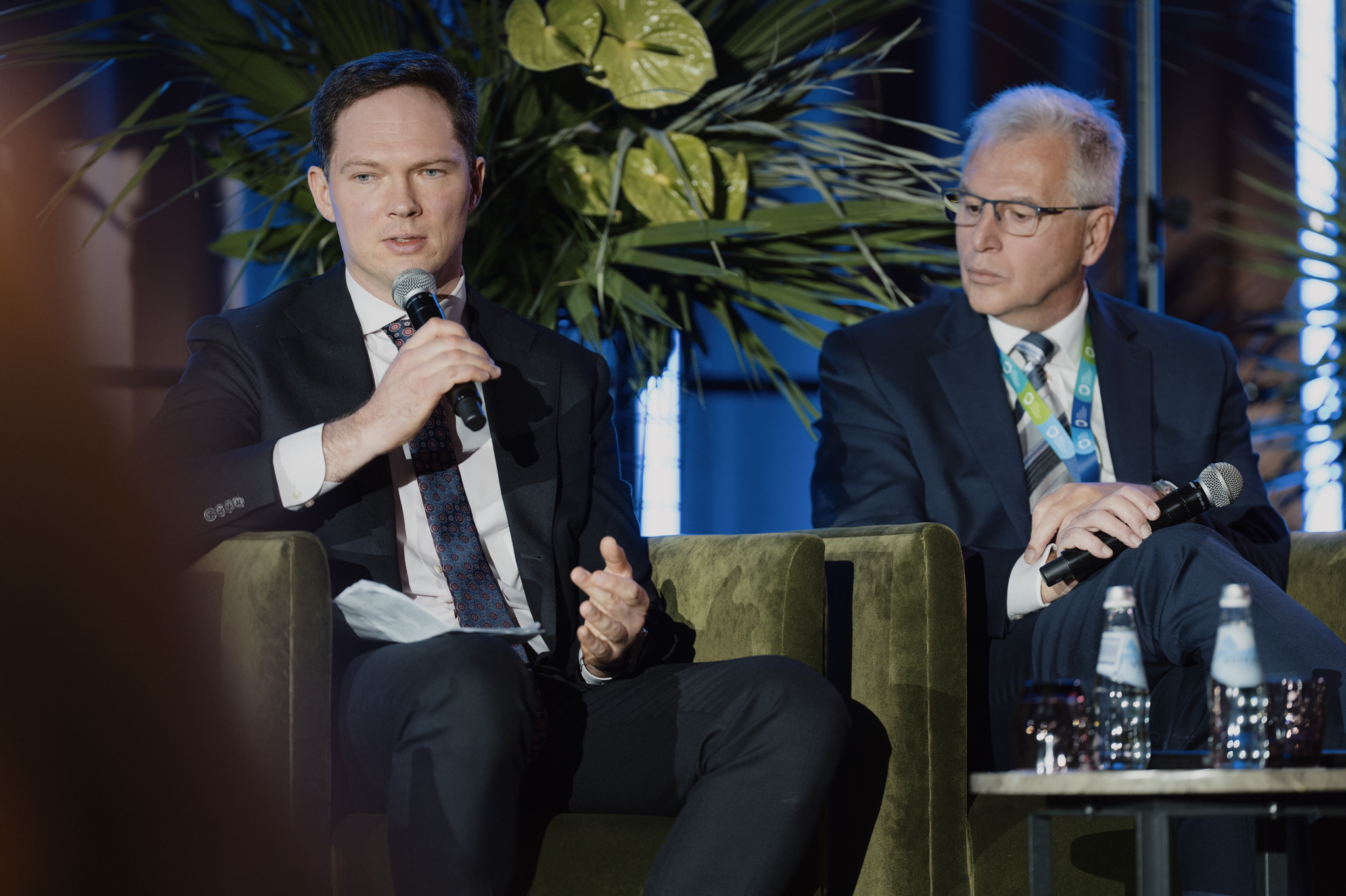
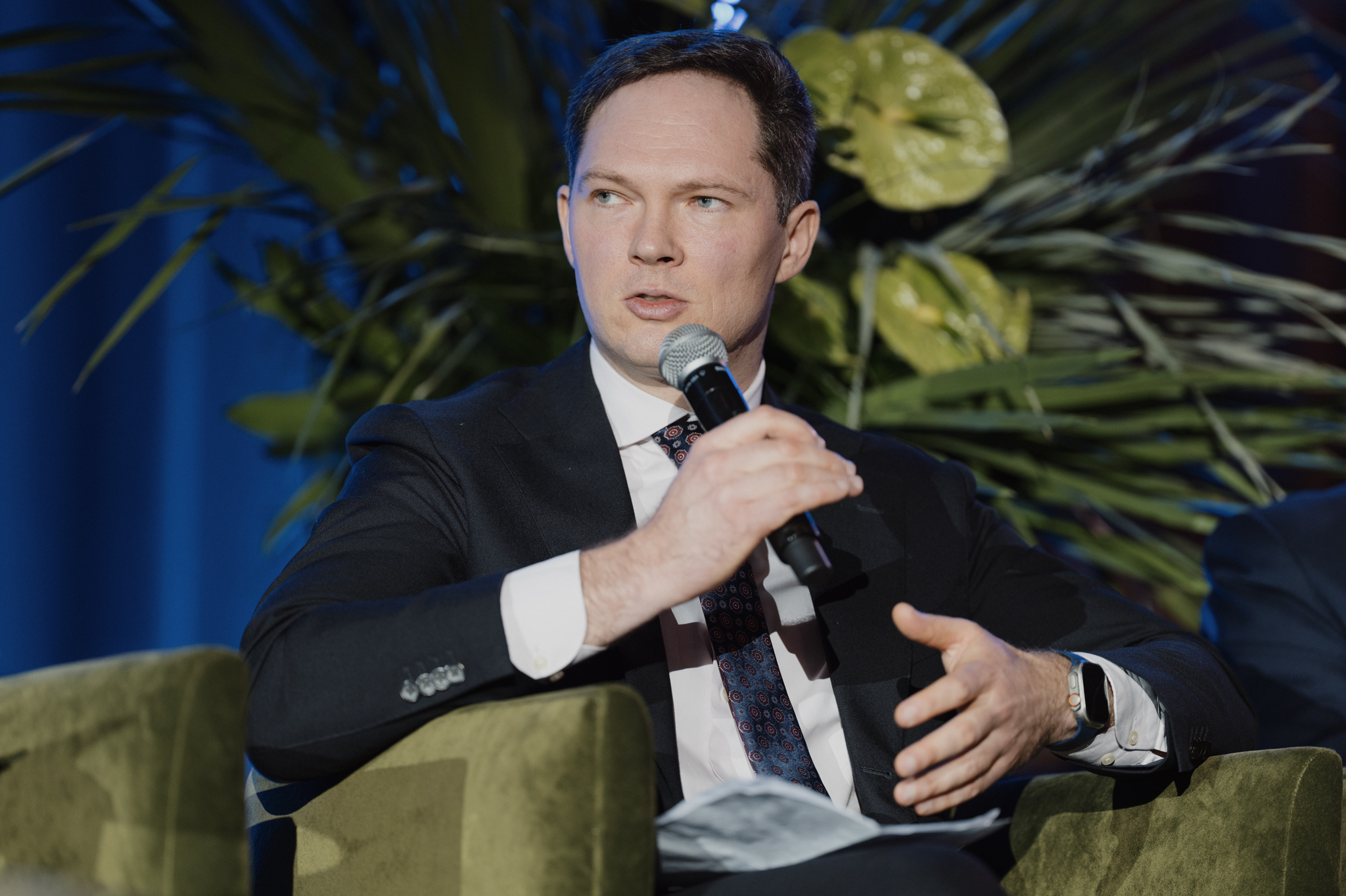
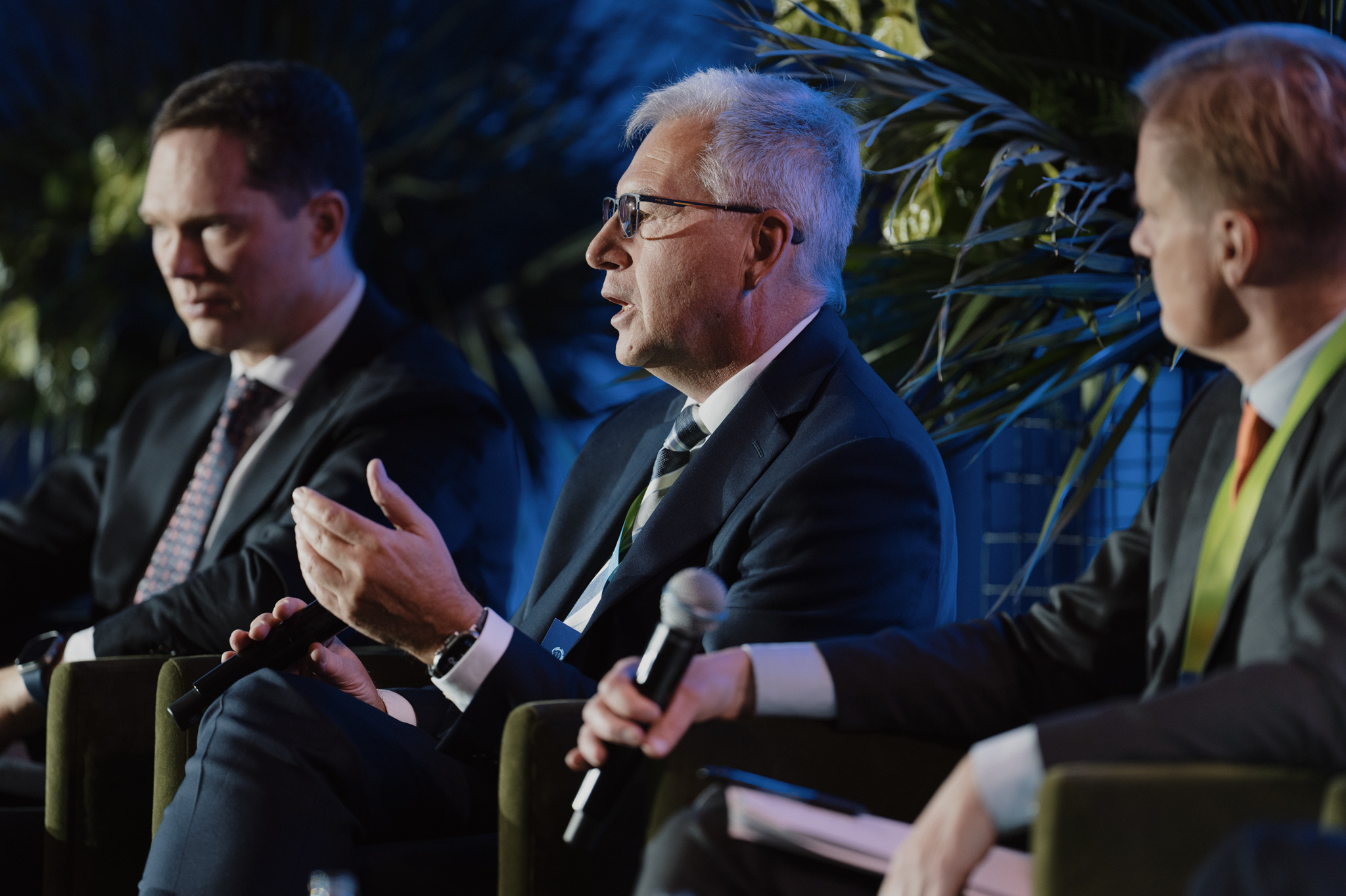
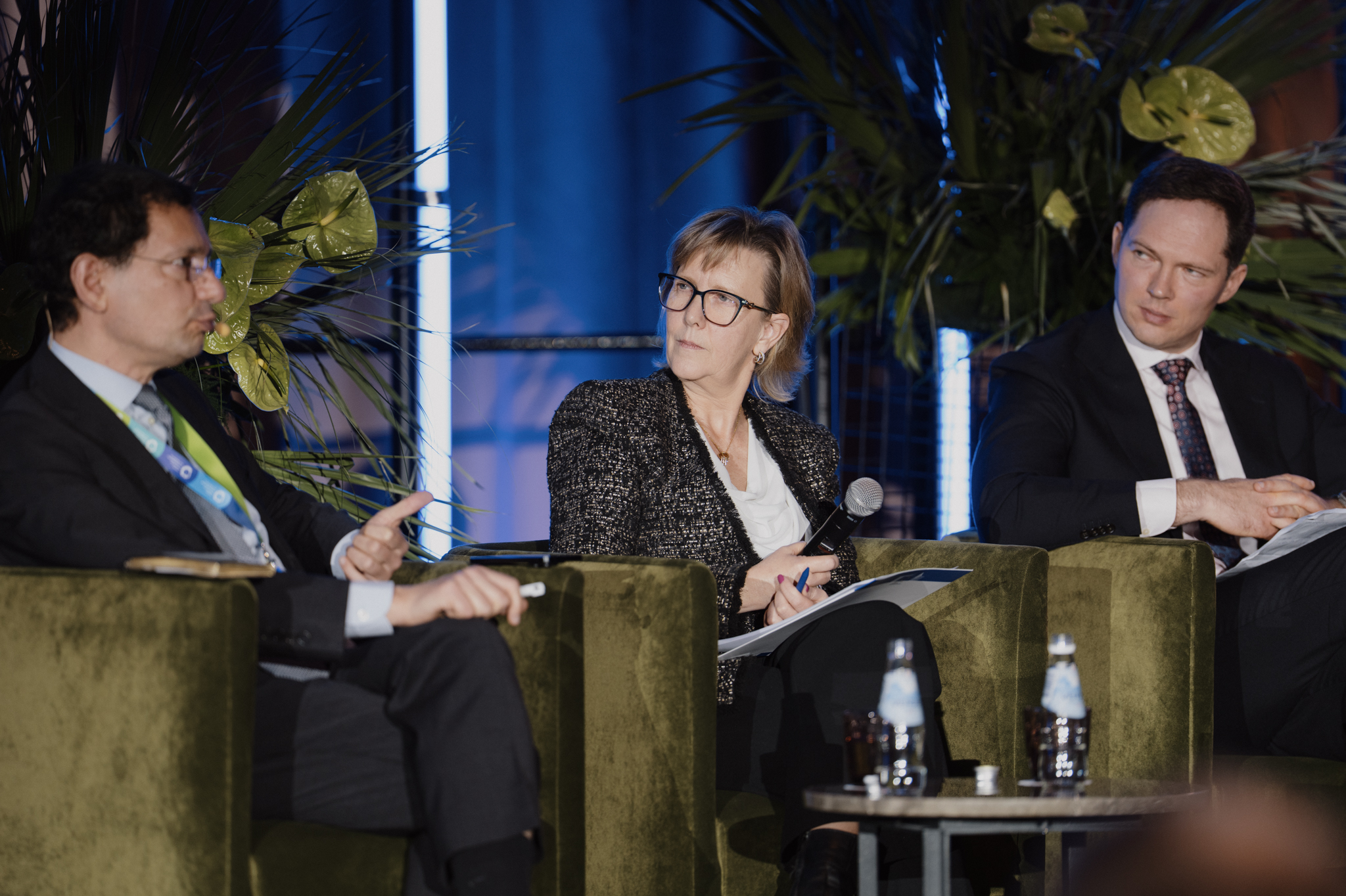
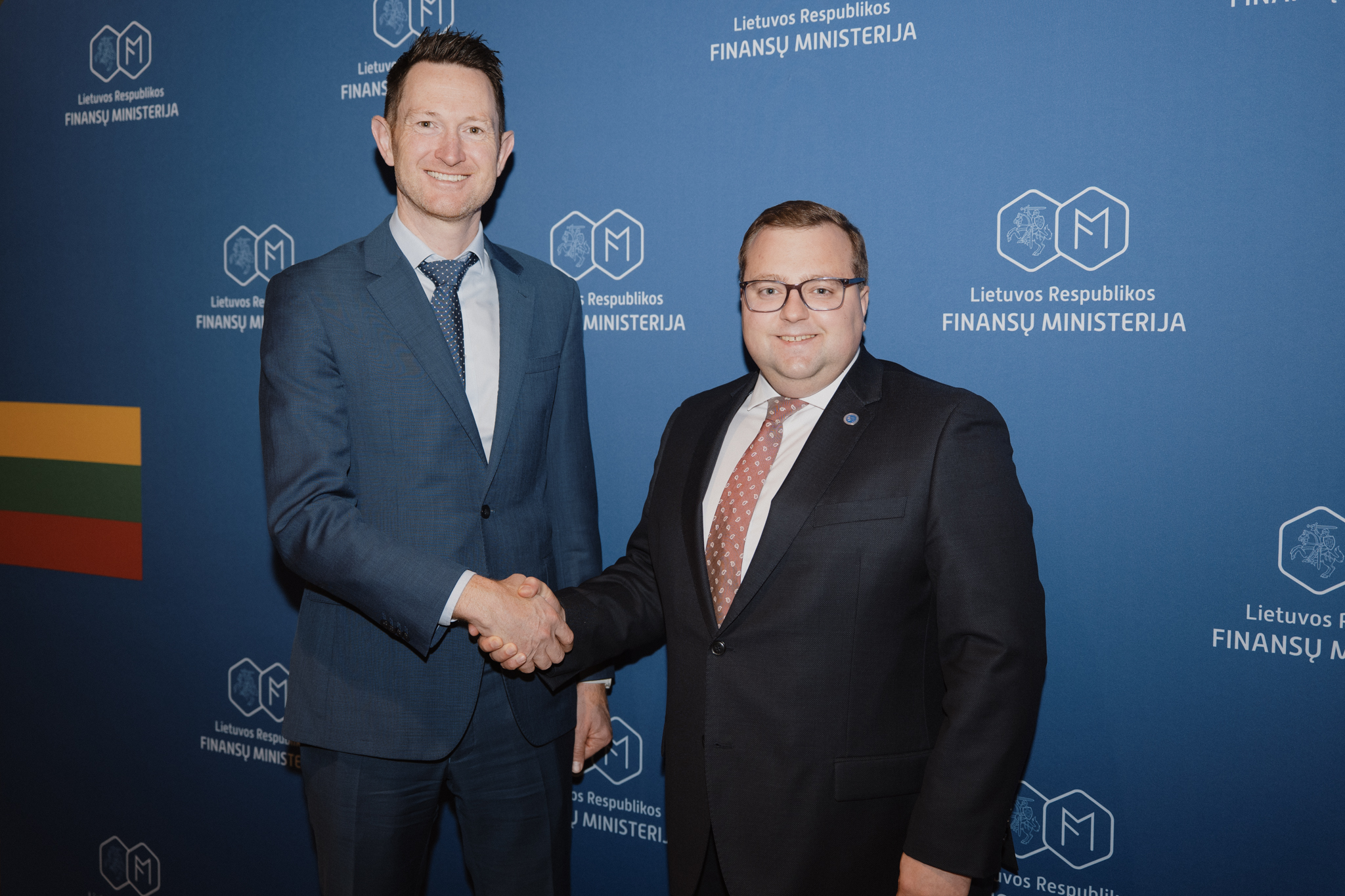
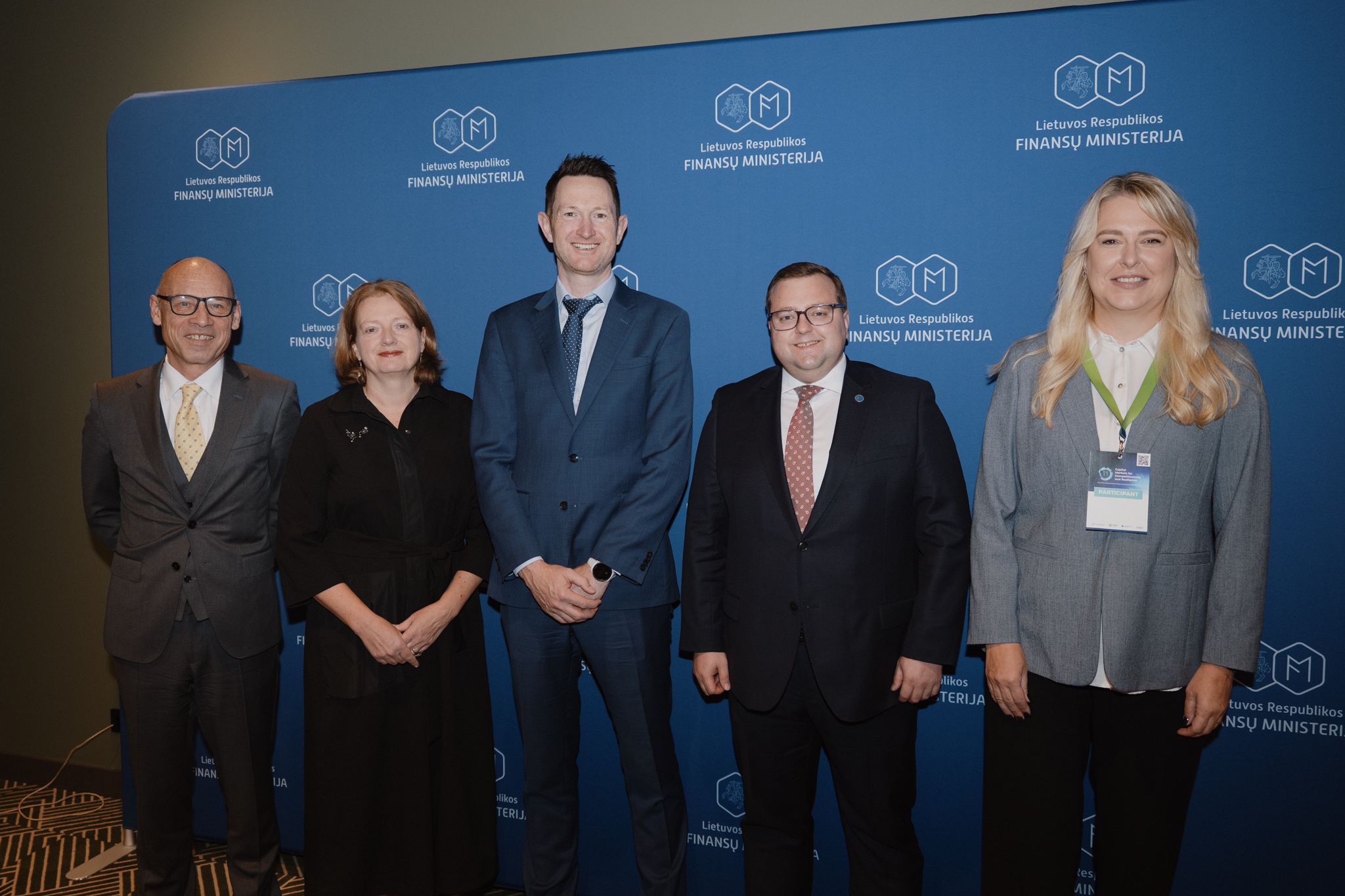
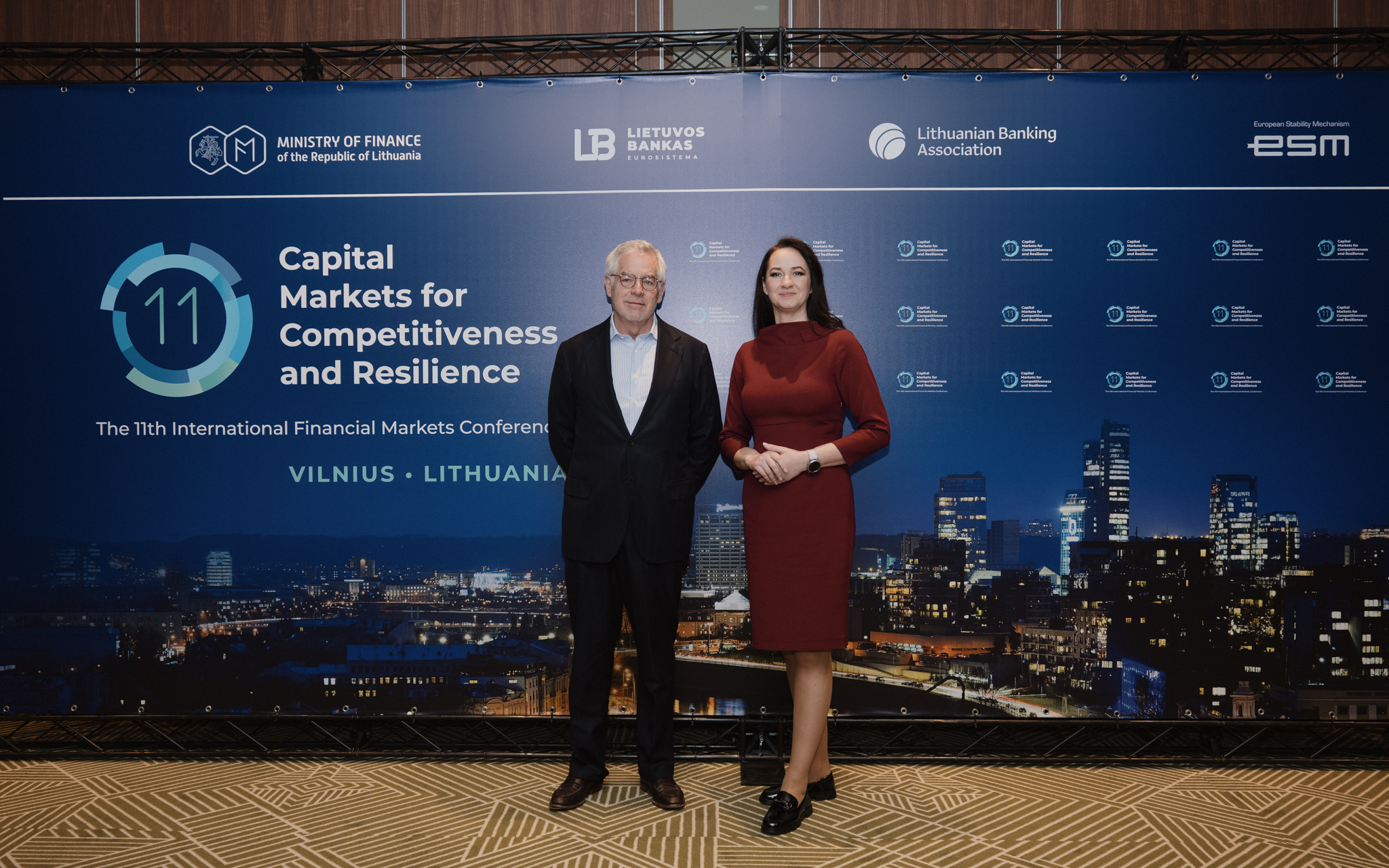
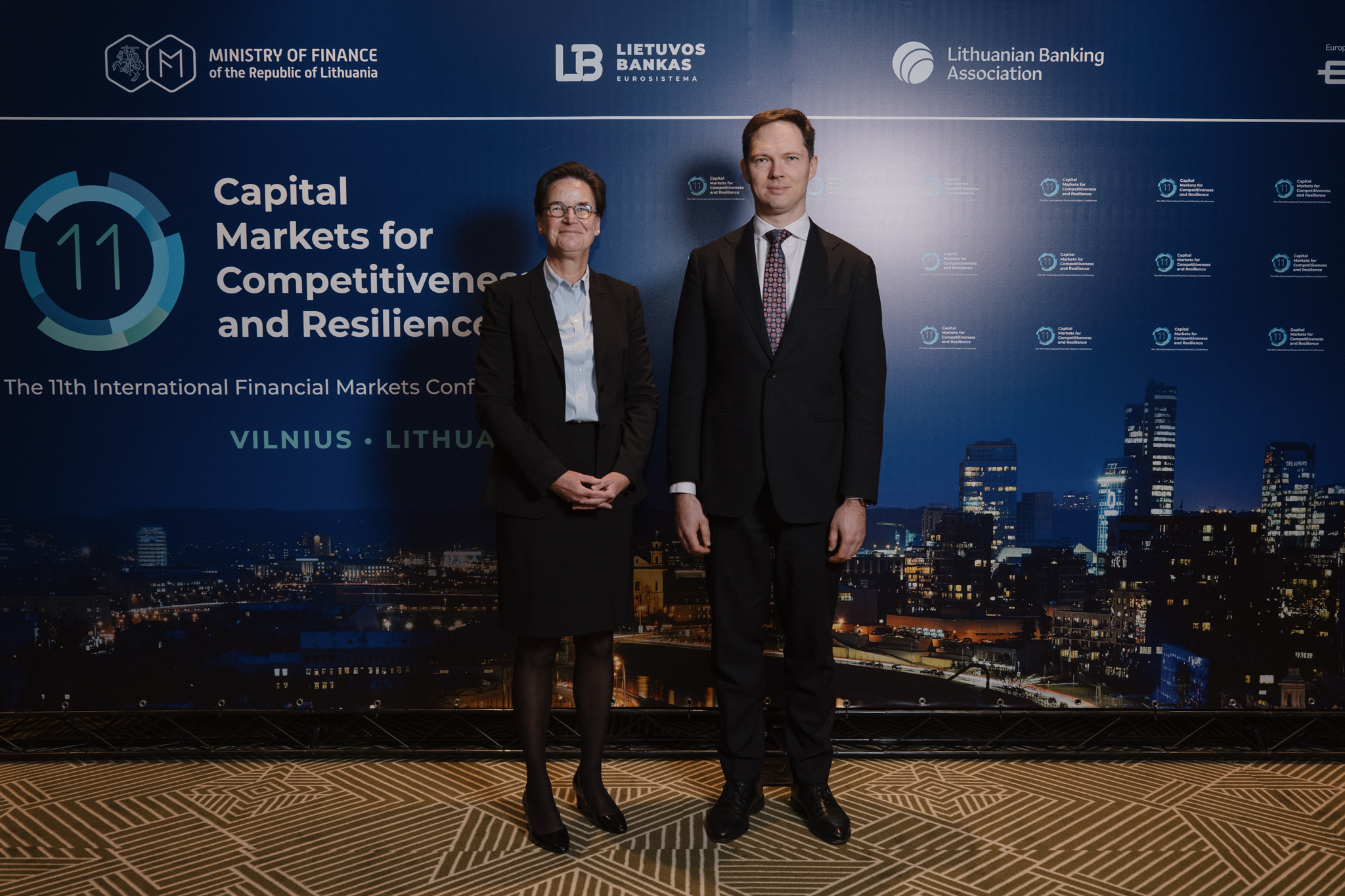
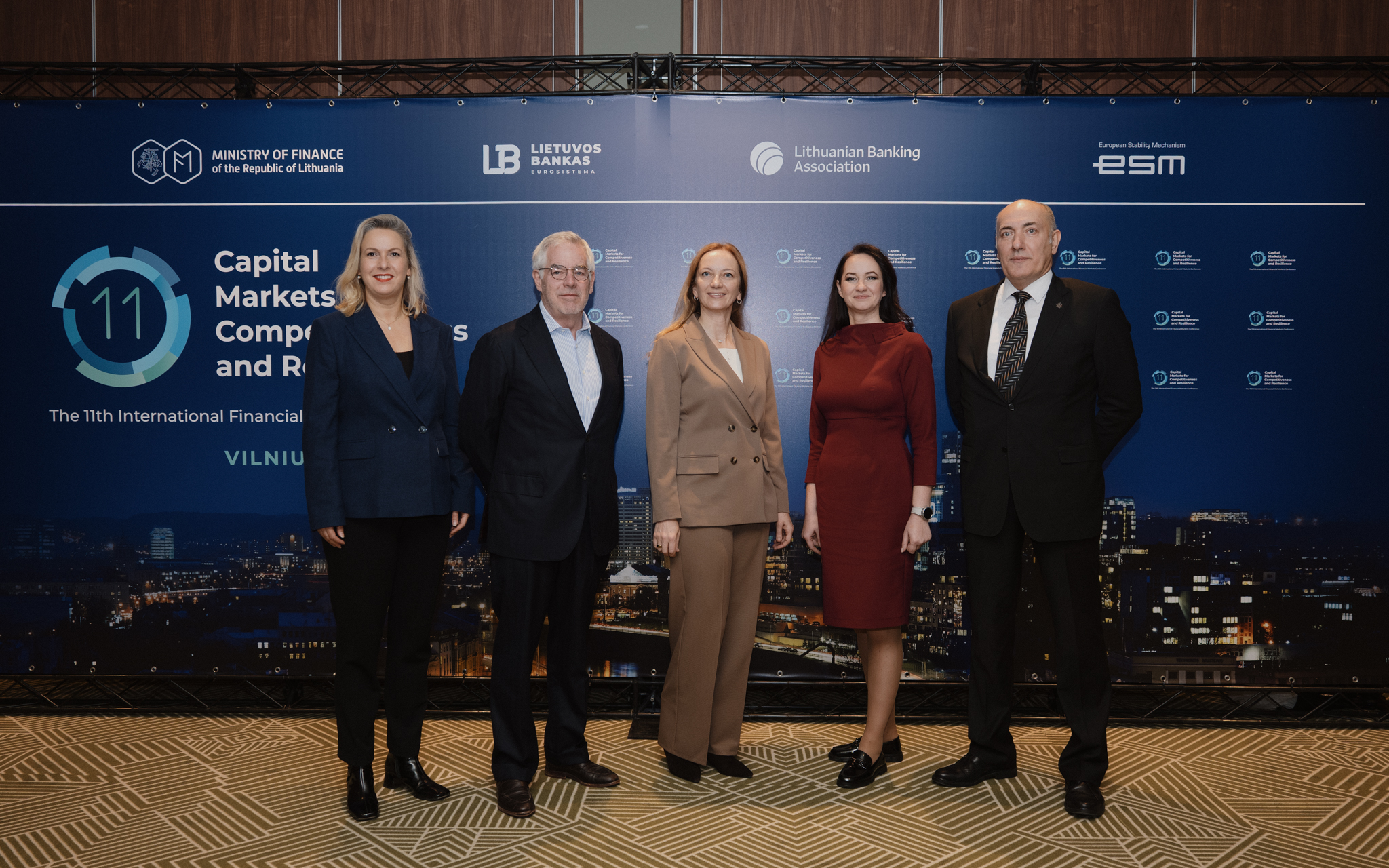
In order to remain competitive in the global market, stimulate innovation and simultaneously allocate significant resources to defence needs, both Lithuanian and European public funding must be complemented by private investment and the use of capital markets for these purposes is essential. They are a strategic tool for creating a safer, more innovative and sustainable environment, Minister of Finance Kristupas Vaitiekūnas, while attending the 11th International Conference on Financial Markets in Vilnius, states.
"In the Government programme, we set a clear goal of deepening and modernising our country's capital market, expanding its instruments and fully integrating into the EU Capital Markets Union. Flexible attention of the European Commission to smaller capital markets, such as Lithuania and other Baltic countries, is key to achieving these goals and mobilising funds to achieve national and European goals", Minister Vaitiekūnas notes.
According to the Minister, Lithuania, together with Latvia and Estonia, is leading by example in achieving regional financial integration. The Baltic Capital Markets Initiative shows how small, open economies can combine their strengths to overcome scale constraints. This can increase access to finance and offer more investment opportunities for individuals and institutional investors.

Of course, there is still a lot to do: increasing the participation of different investors, making our markets even more visible internationally.
The European Commission (EC) is a key partner in regional initiatives, including through the Technical Support Instrument (TSI). Although the TSI has great potential to promote reforms and capacity building, its current scope remains limited and its application can be quite challenging, especially when it comes to joint applications from several countries.
"We believe that extending the scope and flexibility of the TSI would significantly increase its impact, especially in the area of cross-border and regional cooperation", K. Vaitiekūnas states.
This year, the European Commission introduced a new initiative, the Savings and Investments Union (SIU). Lithuania fully supports SIU, which aims to channel European savings into productive investments, especially to small and medium-sized enterprises.
This initiative will contribute to strengthening competitiveness, deepening financial integration and improving access to capital across the EU. This is particularly important for small and fragmented capital markets such as the Baltic States.
According to the Minister, taking into account geopolitical challenges, it is necessary to rethink how to finance defence infrastructure and industrial resilience. Mobilising public and private capital – through blended finance models and innovative instruments at EU level – is key to meeting Europe’s changing strategic needs.
Today, the European financial environment is shaped by deep geopolitical developments, in particular Russia’s ongoing war against Ukraine, which, among other things, is testing the strength of the economies and markets not only of the Baltic States, but also of the entire Eastern and Central European region.
In this context, the role of capital markets becomes even more significant not only in ensuring stability in Europe, but also in mobilising funds for Ukraine to withstand the war, its reconstruction and subsequent integration into the European and global economies.






Last updated: 07-11-2025
Related news:
Moody’s Investment Service assessed Lithuania‘s economic outlook