

The Baltic States Constitute a Successful Example of EU Cohesion Policy
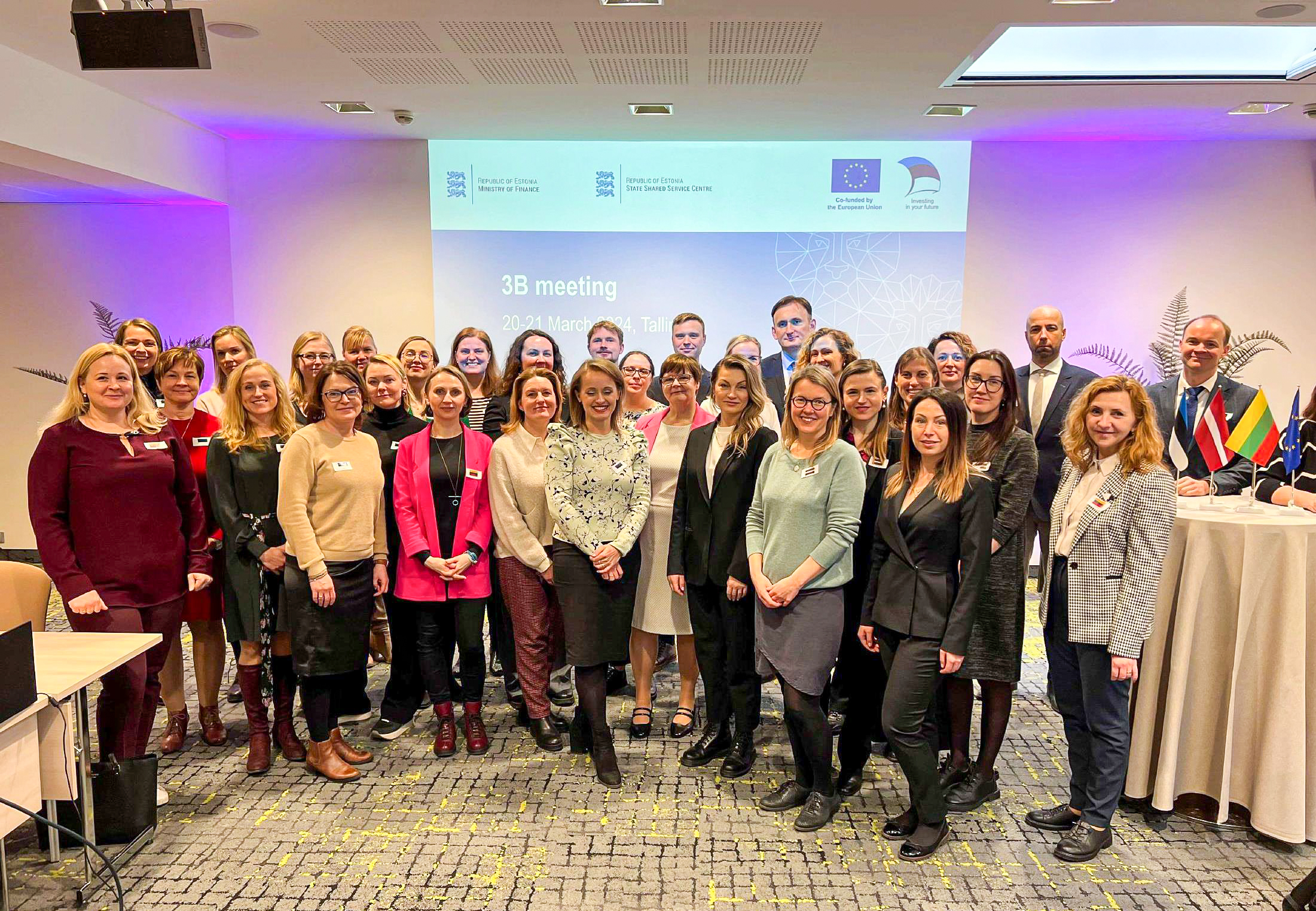
The Baltic states constitute a successful example of the European Union (EU) Cohesion Policy, stated Director of the Investments Department of the Ministry of Finance Kotryna Tamoševičienė taking part in the meeting of experts responsible for Cohesion Policy held in Tallin.
According to Ms K. Tamoševičienė, the Baltic states, with their joint efforts, have implemented a number of successful European projects. The current geopolitical situation shows that we have even greater challenges ahead and, at the same time, new opportunities, revealing the potential of each region. Therefore, together with its partners, Lithuania takes an active position on the perspective of Cohesion Policy not only in the period 2021-2027, but also in the post-2027 period.
“Significant progress has been made over the last 20 years. Since joining the EU, in almost two decades, Lithuania’s GDP per capita has increased by 199 per cent. During this period, almost EUR 20 billion were invested in Lithuania’s prosperity. Together with EU investments, we contribute to job creation, improving the quality of education, social and medical services, responding to the needs of people with disabilities, promoting entrepreneurship and protecting the environment. Cohesion Policy has had and has a significant positive impact on economic growth in Lithuania and the Baltic region. Therefore, the further success of all Baltic states will depend directly on sound, immediate and efficient solutions of Cohesion Policy”, stressed Ms K. Tamoševičienė.
Nevertheless, according to Ms K. Tamoševičienė, we must not forget the main objective of Cohesion Policy – to promote sustainable economic and social development in the EU countries and individual regions and to address long-term challenges. In the future, Cohesion Policy must maintain its proven features – the partnership principle, multilevel governance model, focus on regional and local initiatives.
“EU Cohesion Policy helps each region realise its potential and the entire EU – to improve living standards and shared prosperity. It is vitally important for us to launch this debate with socio-economic partners on the future of Cohesion Policy now and to develop a common position on as much as possible favourable new Cohesion Policy which meets the needs of the people of Lithuania in the future”, stressed the Director of the Investments Department.
According to Ms K. Tamoševičienė, we must preserve the unique feature of Cohesion Policy, which is determined by the principles of partnership and shared governance and policymaking into the needs of a particular territory.
“We need to pay particular attention to strengthening skills and strategic planning capacities at all stages: from national to local authorities, to strengthen partnerships and to maintain dialogue with local people. We need to seek to reduce bureaucratic burdens so that funds reach final beneficiaries faster, to increase the efficiency and benefits of investments. It is important to strive for flexibility in the programming of Cohesion Policy, to better respond to the needs of regions, taking into account their territorial situation and existing specificities”, stressed Ms K. Tamoševičienė.
Last updated: 18-04-2024