

Vice-Minister for Finance: "EU cohesion policy post-2027 must remain strong and become simpler for project operators"
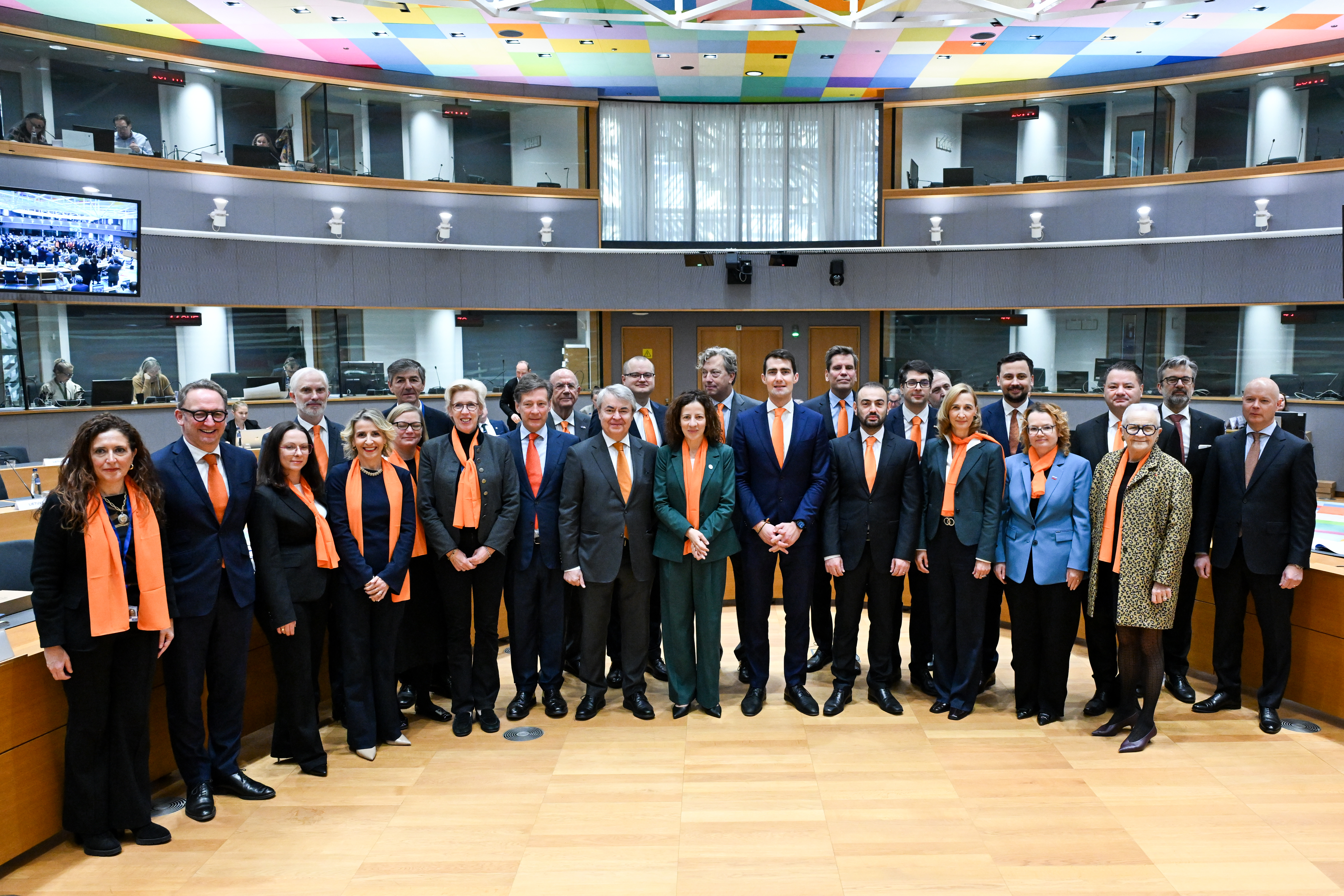
In the run-up to the European Union's new financial period 2028-2034, it is necessary to maintain strong funding for the regions and ensure a real rather than formal reduction of the administrative burden for the final project operators, Vice-Minister of Finance Rūta Carik emphasizes at the EU General Affairs Council meeting in Brussels.
"Cohesion policy plays a crucial role in reducing disparities between regions' development and strengthening the EU's competitiveness. Europe needs strong regions to remain resilient, and economic, social and territorial cohesion must remain a high priority in the next EU budget. It is also necessary to ensure that investments are implemented in a simpler way, which in practice reduces the administrative burden on project operators, preserves proven practices and ensures clear rules from the very beginning of the investment," Vice-Minister R. Carik says.
According to the Vice-Minister, in order to make the cohesion policy more effective in 2028-2034, especially for smaller organisations, local authorities and first-time applicants, it is necessary to follow several basic principles.
It is not enough to simplify procedures only between Member States and the European Commission. The change must be felt by the beneficiaries themselves, who need a simpler application process, user-friendly digital tools, fewer documents and proportionate accountability.
Lithuania calls for the maintenance and wider use of simplified cost options and financing not linked to costs, which makes it possible to focus more on project results than on the administration of supporting documents.
Beneficiaries must be aware of all requirements, including the scope of checks, before the first investment starts. The changing interpretations during the implementation of the project create uncertainty and weaken trust in the system.
At the end of the meeting, the Vice-Minister also presented the upcoming Lithuanian Presidency of the Council of the EU. She underlined Lithuania's readiness to continue negotiations on the Multiannual Financial Framework (MFF) legislative package and to make significant progress during the Lithuanian Presidency of the Council of the EU.
"We hope that the main agreements on the elements of the future EU budget will be reached in the European Council before the end of this year, which would allow us to start constructive negotiations with the European Parliament next year," the Vice-Minister emphasizes.
According to her, the success of the new financial period will depend not only on clear and simple EU regulations, but also on the ability of all institutions involved in the implementation process – the European Commission, national authorities and auditors – to adapt to the new framework and ensure consistent application of the rules.