

Vice-Minister of Finance: "In strengthening cohesion policy, we would see a greater involvement of Member States in coordinating their specific needs"
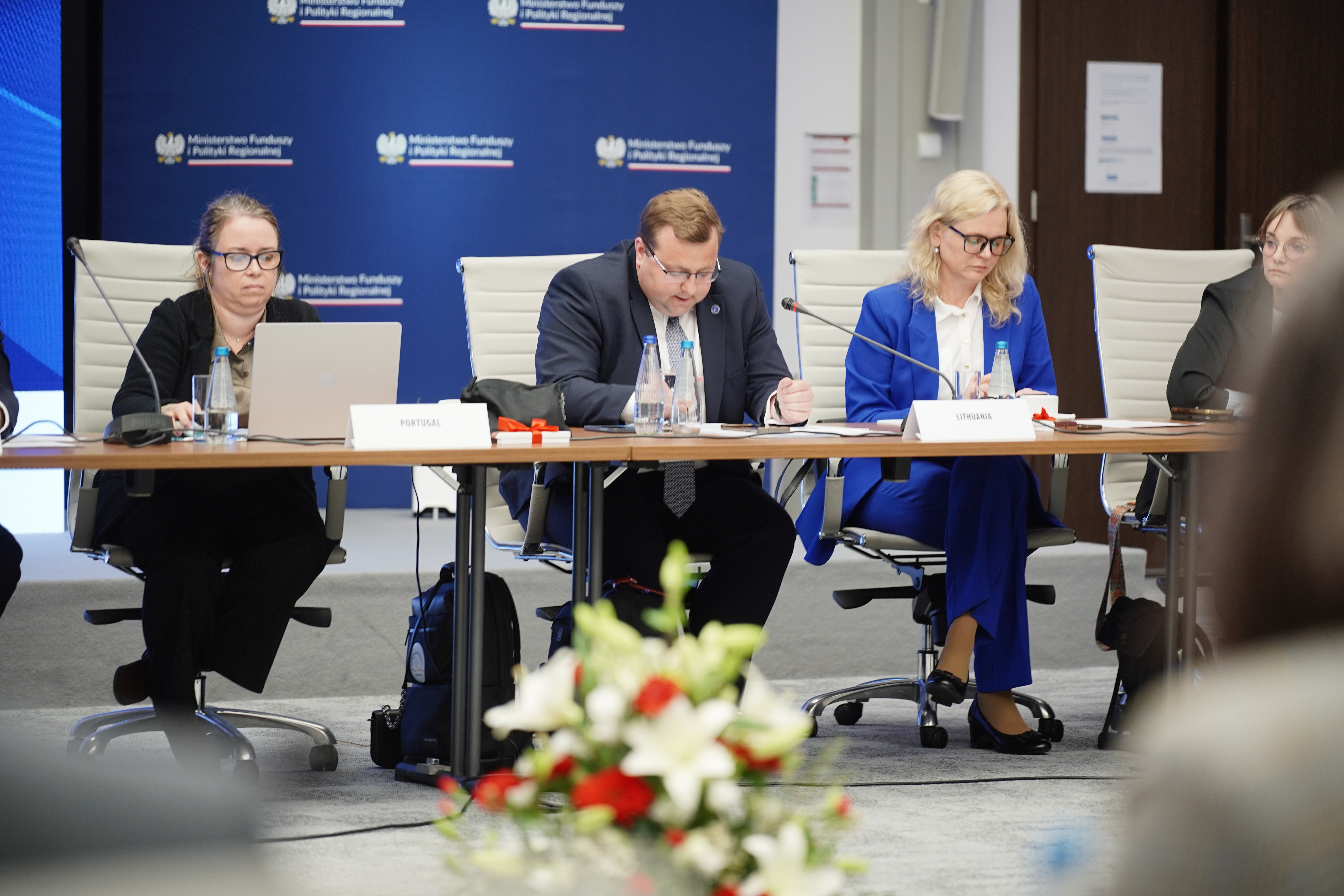
Cohesion policy has proved to be one of the most effective instruments for reducing economic disparities between the European Unioncountries. And when discussing the regulation of Cohesion Policy post-2027, it is important to be able to better take into account the different needs and opportunities of Member States, Januš Kizenevič, Vice-Minister of Finance, who is attending the Cohesion Conference in Warsaw, says.
"The debate on the future of Europe post-2027 already shows that strengthening competitiveness, security and resilience will play an important role in all EU programmes. In order to ensure a more balanced development of the EU as a whole, Member States should be able to invest in areas that best suit their situation and priorities," Vice-Minister Kizenevič states.
According to him, Member States are best placed to understand their development needs and challenges, economic circumstances and social priorities. For this reason, they need to play a greater role in decision-making and the role of the European Commission should remain focused on ensuring consistency, transparency and equal treatment across the EU.
Lithuania, like other countries along the EU's eastern border, is under additional security, economic and social pressure and is seeking more favourable financing conditions (top-up funding) for the countries bordering Russia and Belarus. The Communication on the EU's eastern regions bordering Russia, Belarus and Ukraine is an important step in addressing these specific challenges.
According to J. Kizenevič, the list of strategic documents that the National and Regional Partnership (NRP) plan must comply with should be clear, comprehensive and timely. Member States should not be obliged to comply with documents adopted at the time of drawing up or during the implementation of the plan.
"We strongly agree that a realistic implementation model requires clear and predictable rules from the outset. As the design of the NRP plans is result-oriented, the management and control approach and requirements should also be proportionate to this model”, Vice-Minister considers.
Last updated: 23-04-2026