

Vice-Minister of Finance underlined the importance of digital autonomy of European finance at a conference in Switzerland
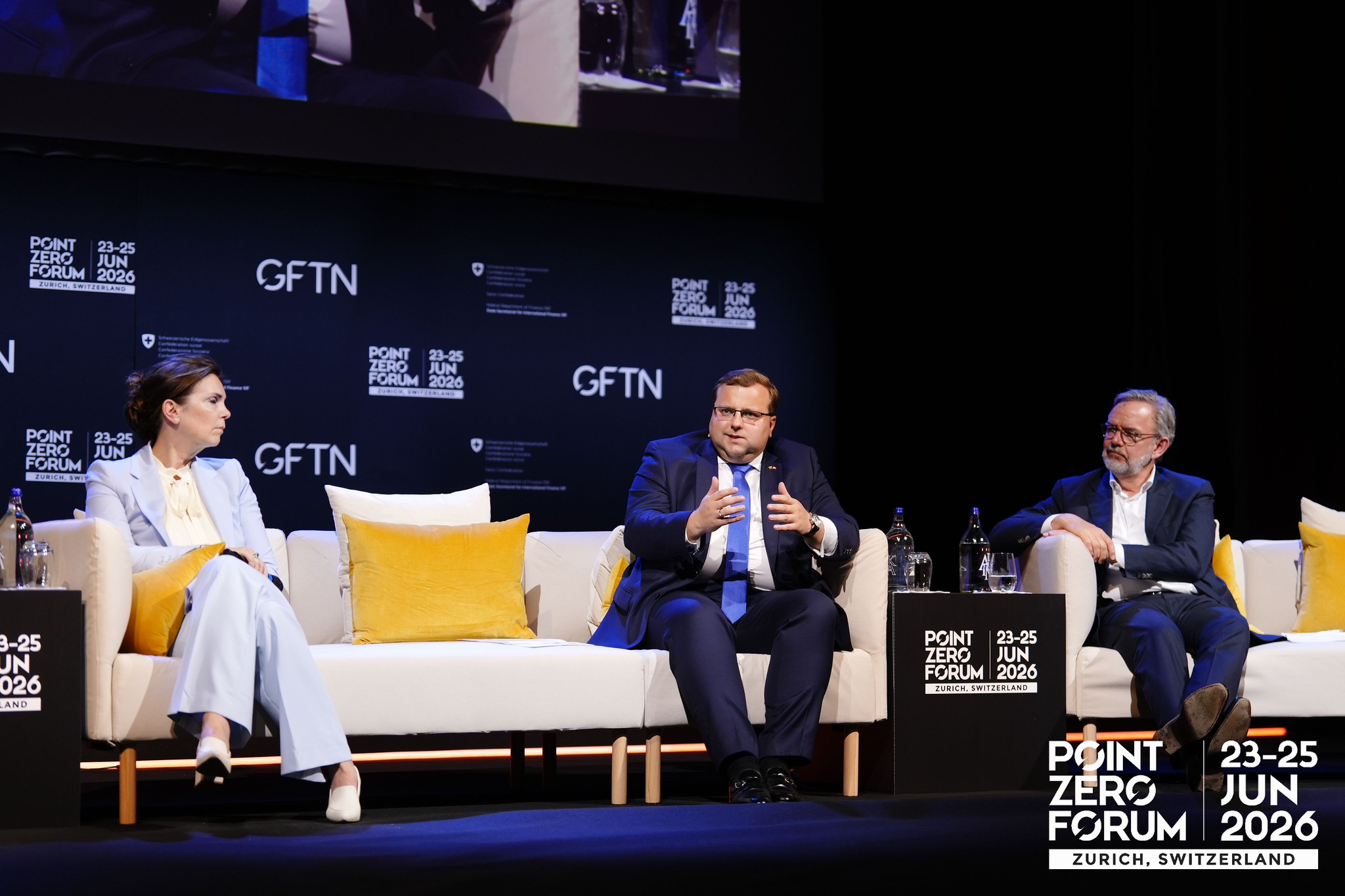
Europe is striving for greater strategic autonomy and resilience of the financial sector, this is becoming an increasingly important challenge for finance and FinTech. This initiative is best understood as complementary layers of the same agenda: payment infrastructure, depth of capital markets, regulation and digital resilience. And small countries like Lithuania feel this the most and can share their experiences, Vice-Minister of Finance Januš Kizenevič notes at the high-level conference “Point Zero Forum” in Zurich. Formos viršus
"Regulators have a key role to play in creating the conditions for achieving strategic autonomy in Europe while maintaining integration in the global financial market. Equally important are the practical steps needed to keep the European financial system competitive, innovative and resilient. The experience of Lithuania, which is a recognised FinTech hub in Europe, shows that two things are most needed for such changes: political will and technical expertise", Vice-Minister Januš Kizenevič said.
During a panel discussion “Policymakers’ Dialogue: Forging Europe’s Strategic Autonomy in Finance” held at the conference, J. Kizenevič also emphasized the importance of capital markets.
“The depth of capital markets is of strategic importance for the financial resilience of both the EU as a whole and the Baltic States. The Savings and Investments Union aims to deepen EU capital markets so that European companies do not have to rely on US or UK markets for financing, listing and liquidity," the Vice-Minister stated.
This is a structural necessity for Lithuania and its neighbours: creating a true depth of EU-level capital markets is a prerequisite for regional growth and for companies to thrive without moving to larger markets.
According to the Vice-Minister, in the area of payments, the CENTROlink payment infrastructure managed by the Bank of Lithuania is a real example of a small Member State creating its own sovereign payment infrastructure, which directly connects Lithuanian payment institutions to SEPA and thus attracts a significant number of FinTech companies and turns Vilnius into a recognised European FinTech hub. It also shows that sovereign infrastructure does not need scale but political will and technical expertise.
Last updated: 26-06-2026