

In Brussels Minister of Finance K. Vaitiekūnas will discuss the reparations loan to Ukraine and digital finance
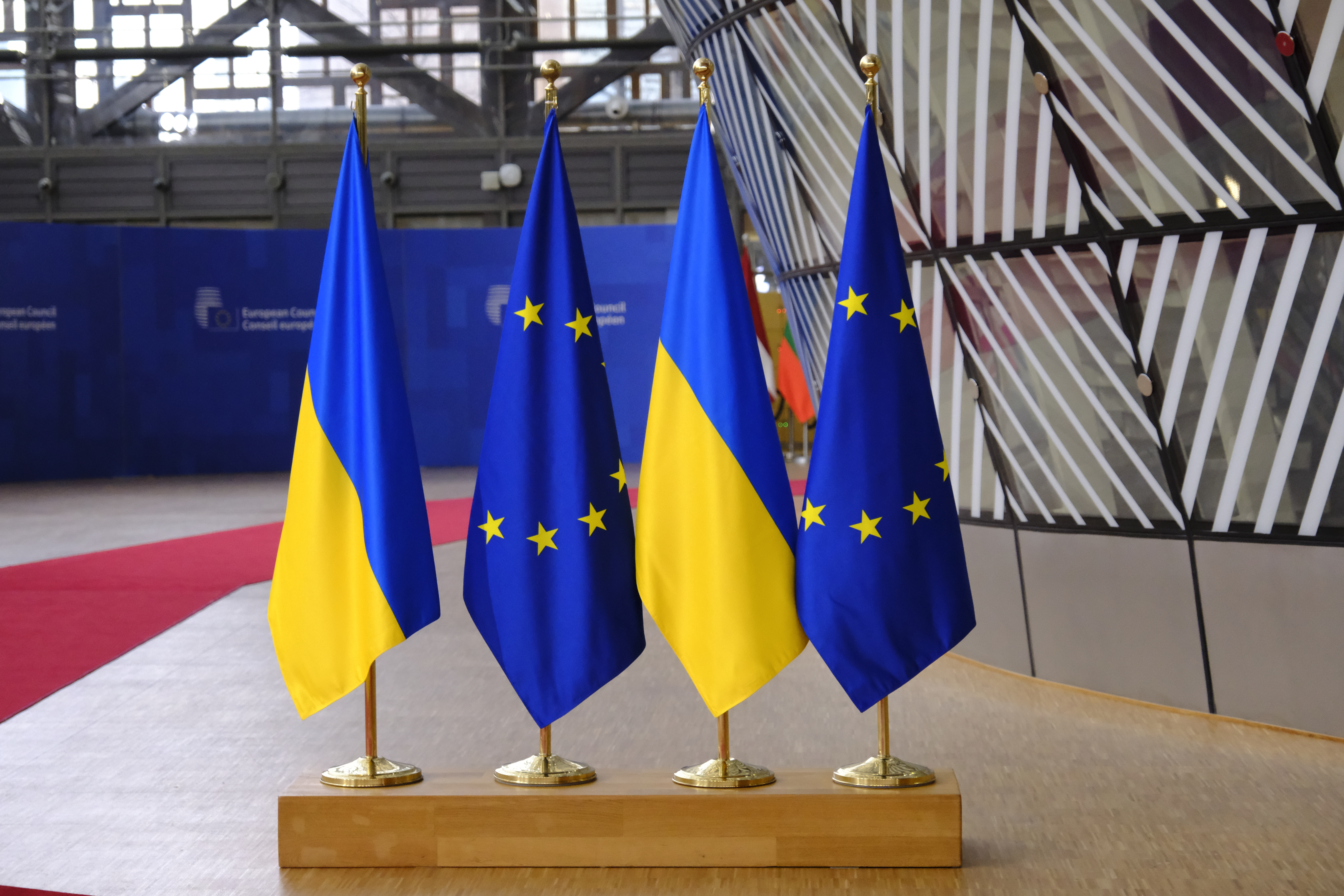
On 12-13 November, Minister of Finance Kristupas Vaitiekūnas will attend the meetings of the Eurogroup (EG) and the EU Council of Economic and Financial Affairs Ministers (ECOFIN) in Brussels (Belgium), where the main focus will be on financing Ukraine, the Energy Taxation Directive and digital finance.
At the ECOFIN meeting, ministers of finance will discuss the idea of EUR 140 billion in a new reparations loan to Ukraine funded by frozen Russian assets announced by President of the European Commission (EC) Ursula Von der Leyen in September. This loan to Ukraine would be a legally sound way to use immobilised assets of the Central Bank of Russia without expropriating them. Ukraine should repay this loan only after receiving reparations from Russia. Moreover, this loan would not be included as official debt of Ukraine, which would not undermine the debt sustainability and credit ratings of the war-torn country.
“Steadily increasing financing needs of Ukraine, especially in the context of the intensification of Russian attacks, call for decisions on additional support as a matter of urgency. It is important that the proposed scheme is legally sound and ensures the full and effective use of frozen Russian funds for financing Ukraine, in particular for defence purposes. We welcome the fact that the proposed reparations loan will not create an additional debt burden for Ukraine and will help maintain fiscal stability", said Minister of Finance Kristupas Vaitiekūnas, adding that it is equally important to ensure that Russian assets remain frozen until it ends the war against Ukraine and pays all compensation for the damage caused.
“Lithuania remains convinced that under international law, it is entirely possible to seize and transfer frozen Russian assets to Ukraine”, stressed K. Vaitiekūnas.
At the ECOFIN meeting, ministers will also exchange views on the economic and financial impact of the Russian aggression against Ukraine. Other financial support measures for Ukraine will also be addressed, namely the G7 loan funded by frozen Russian assets and the Regulation establishing the Ukraine Facility (2024-2027) adopted by the European Council.
Ministers will also discuss a simplified tariff treatment for the distance sales of goods and the Regulation as regards the elimination of the customs duty relief threshold and will seek political consensus on the Energy Taxation Directive, which proposes taxation reflecting the pollution of energy products.
“In order to achieve environmental objectives and a smooth transition to a climate-neutral economy, this compromise proposal provides the Member States with sufficient flexibility, taking into account national tax systems as well as the economic, geopolitical, geographical and social circumstances of the countries. We support the proposed transitional periods for natural gas, sustainable biofuels, bioliquids and biogas, exclusion of solid biofuels from the scope of the Directive”, said K. Vaitiekūnas.
The Eurogroup meeting will discuss the future of digital finance, including the further development of the digital euro and trends in stablecoins.
“We advocate faster development of the digital euro project, therefore we encourage the search for compromises in order to find a common understanding and start the process of issuing a digital euro. We also support the EU's efforts to create a strong, proportionate and innovation-friendly regulatory framework that ensures financial stability, consumer protection and fair competition. Because of the sudden development of stablecoins, it is important that the EU actively engages in international discussions to ensure harmonised global standards”, stressed Minister of Finance Kristupas Vaitiekūnas.
The Eurogroup meeting will also discuss macroeconomic and financial trends, assess the competitiveness challenges of the euro area, the state of play of the Banking Union and discuss the further process of fiscal policy coordination in the Eurogroup.