

Minister of Finance T. Valys: "A strong Cohesion Policy is important both for strengthening countries and for boosting the overall EU competitiveness"
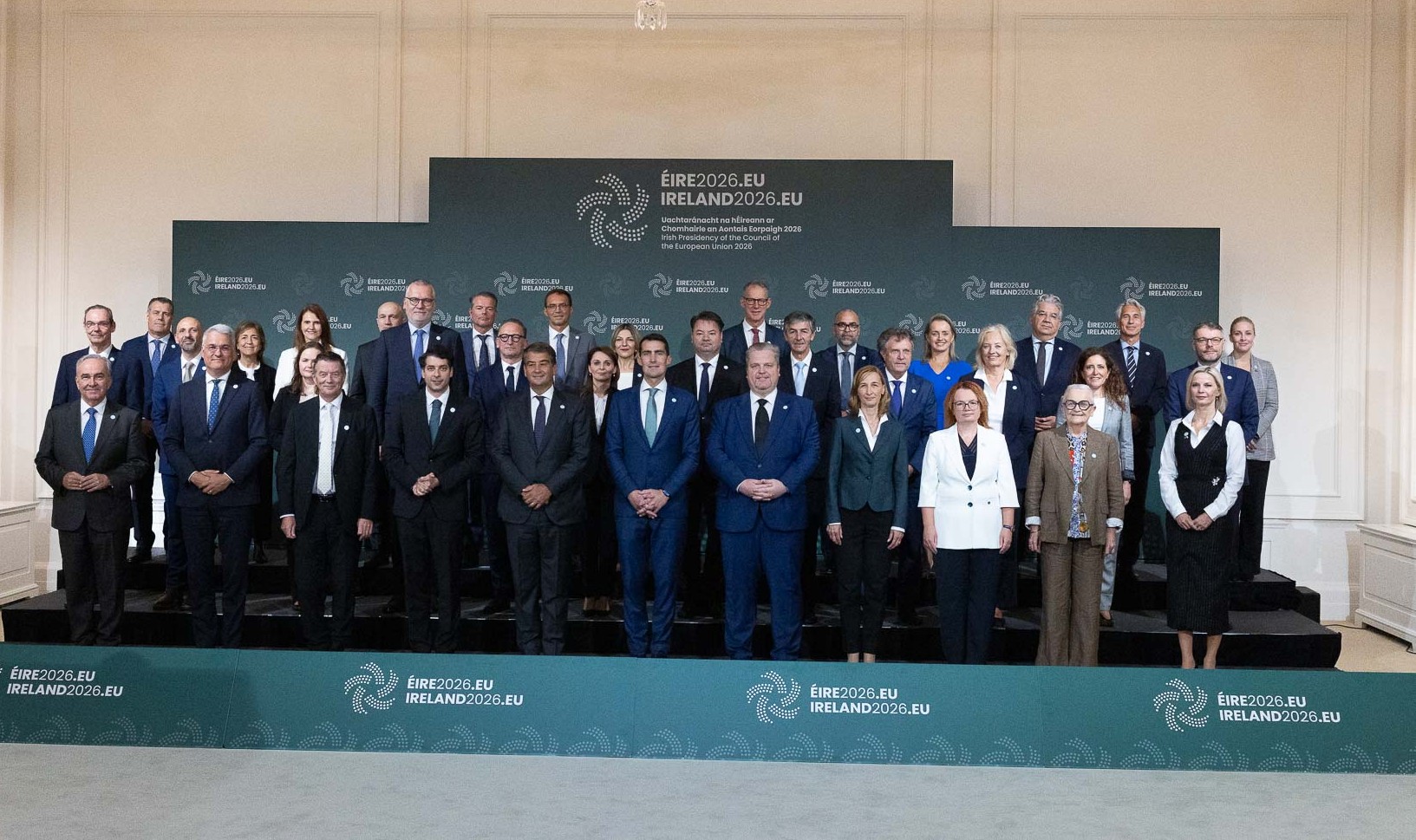
Cohesion Policy must be seen not only as a financial instrument that reduces disparities between EU regions, but also as a component that strengthens the overall competitiveness of the EU. This requires three key elements: strong and competitive regions, skilled people and more flexible and clear funding rules. This is underlined by the Minister of Finance, Taurimas Valys, who is attending the informal meeting of Ministers responsible for Cohesion Policy (GAC) in Dublin on 14-15 September.
"Cohesion and competitiveness are mutually reinforcing factors for Lithuania. A competitive Europe needs strong regions, and each country must contribute to the overall growth of the EU. In order to fulfil this role, Cohesion Policy must maintain its fundamental principles and at the same time be able to respond promptly to economic, social and security challenges in Europe", Minister T. Valys emphasizes.
According to the Minister, in order to remain competitive, our region and Lithuania need access to cheaper energy resources, good connectivity and investments that enable the green and digital transitions. This creates the conditions for businesses to grow and compete.
“We cannot ignore security either – investment in defence, military mobility and resilience strengthens both the economic potential of our countries and the security of Europe as a whole,” the Minister states.
No infrastructure, technology or innovation will in itself ensure competitiveness without people who are able to use it. There is therefore a need to invest in people's skills and health, ensuring that people can adapt to technological change: “We need to enable people of all generations, especially young people, to build their future where they live”.
The Minister also stresses the importance of clear, predictable and proportionate EU funding rules. The start of negotiations for each new funding period tends to lead to simplification of rules, but all too often we have even more rules and more complexity. "Flexibility must go hand in hand with strong protection of the EU budget. However, everything needs to be done to really ensure simpler rules, not only for the institutions, but above all for the beneficiaries of the investments", the Minister says.
In addition to the main GAC session on Tuesday, T. Valys' agenda includes bilateral meetings with ministers or high-ranking representatives from Ireland, Norway, the Czech Republic, Spain, Romania, Germany, Greece, Portugal and France, as well as with the President of the European Court of Auditors and the President of the Section for Economic and Monetary Union and Economic and Social Cohesion of the European Economic and Social Committee.
In the run-up to the Lithuanian Presidency of the Council of the EU in the first half of 2027, the Minister will present the priorities of the Lithuanian Presidency and discuss the positions and expectations of the states regarding the future Multiannual Financial Framework 2028-2034, the preparation of National and Regional Partnership Plans and the negotiation of regulations.
Last updated: 15-09-2026
Related news:
Minister of Finance met with the Ambassador of Ireland to Lithuania