

Vice-Minister of Finance in Brussels: “Lithuania, like other EU countries on the eastern border, requires additional investment funding”
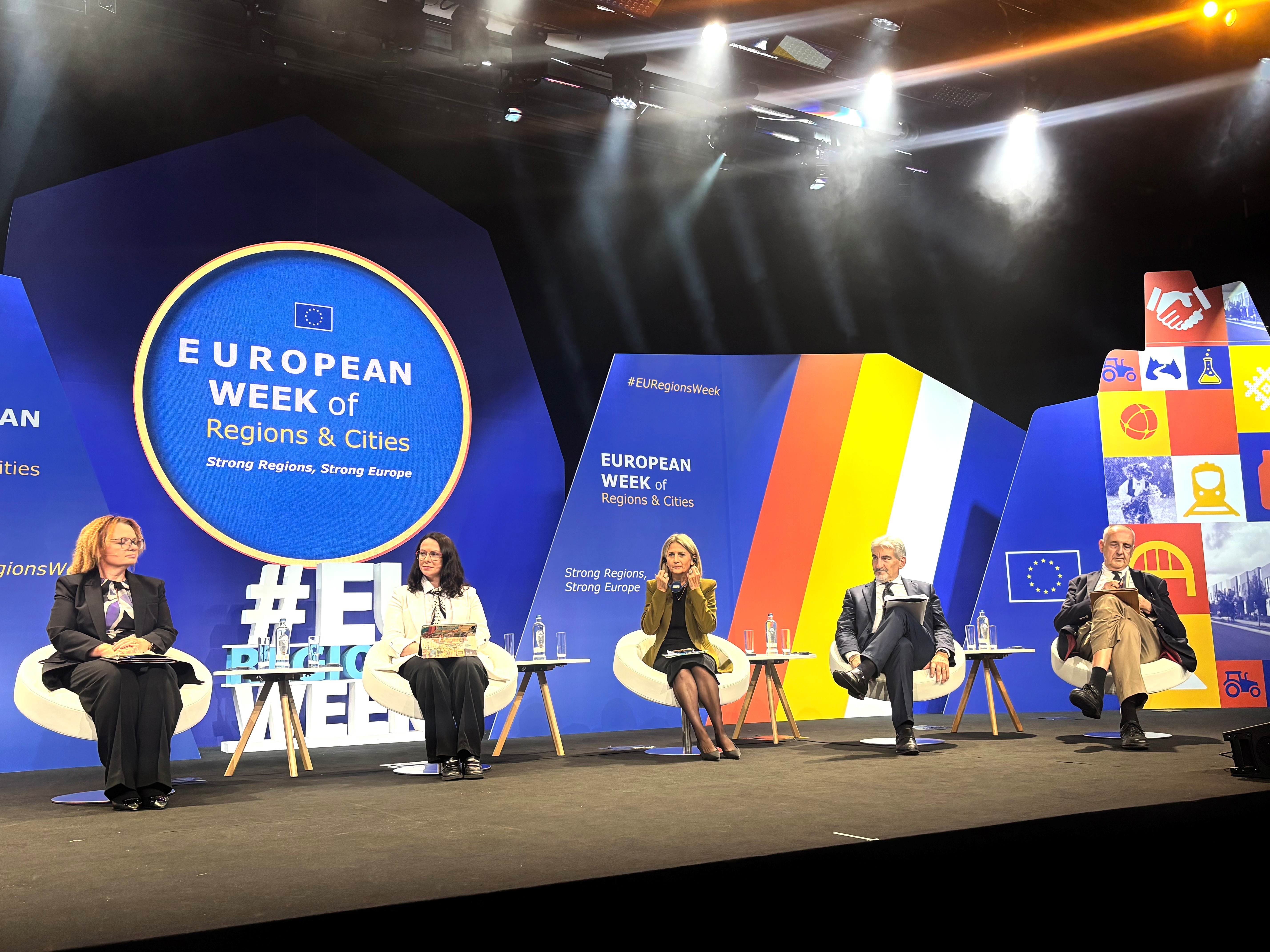
Rūta Carik, Vice-Minister of Finance, who participated in a high-level panel discussion “Cohesion Policy for a Competitive Europe” in Brussels, emphasizes that Lithuania’s competitiveness and investment climate are significantly affected by geopolitical insecurity. The war in Ukraine, combined with Lithuania’s proximity to Russia and Belarus, erodes investor confidence, slows down the growth of tourism, and poses additional economic and social challenges, which require consistent support from the European Union.
"Strong and resilient regions are the foundation of Europe’s overall competitiveness. Therefore, it is essential to align targeted EU funding programmes with the specific needs of these regions—measures that would strengthen the security and resilience of EU Member States along the eastern border. Only in this way can we attract new investment, foster innovation, and create an environment where people want to live," Vice-Minister R. Carik emphasizes.
According to the Vice-Minister, Lithuania’s proximity to Russia and Belarus carries a direct economic cost: reduced interest from investors, slower economic growth, and fewer jobs and income opportunities. Travel disruptions also diminish Lithuania’s attractiveness. For instance, between October 2025 and May 2026, airports had to be closed on several occasions due to meteorological balloons, a recurring issue that disrupted travel, on average, nearly every week.
"We see this pressure directly when trying to attract new investments—fewer and fewer potential investors are considering the possibility of investing in Lithuania. According to estimates by the Bank of Lithuania, had it not been for the war launched by Russia against Ukraine, Lithuania’s GDP would have grown by an additional 6.3%, or approximately EUR 5 billion," the Vice-Minister says.
Demographic decline further exacerbates economic and social challenges. It is projected that Lithuania’s population will shrink by about 20% over the next 30 years; in areas where investment is already weak, the loss of young people makes economic growth even more difficult. "However, we do not accept this forecast as our inevitable fate. We are striving to create opportunities that encourage young people to stay and build their future in Lithuania," the Vice-Minister states.
Security and competitiveness are inseparable. Investments and the decisions people make about their future depend on security and stability; furthermore, Lithuania’s resilience is important to the entire EU.
“We must overcome these challenges, but we cannot do it alone. Lithuania is taking responsibility, but our efforts must be accompanied by sustained European support. With this support, we will be able to take action to ensure that Lithuania remains a country where people want to live, businesses want to invest, and the younger generation wants to build their future,” R. Carik says.