

Minister of Finance T. Valys after his meeting with CEOs of Ignitis and ESO: we will assess not only the consequences of the storm, but also the management's responsibility
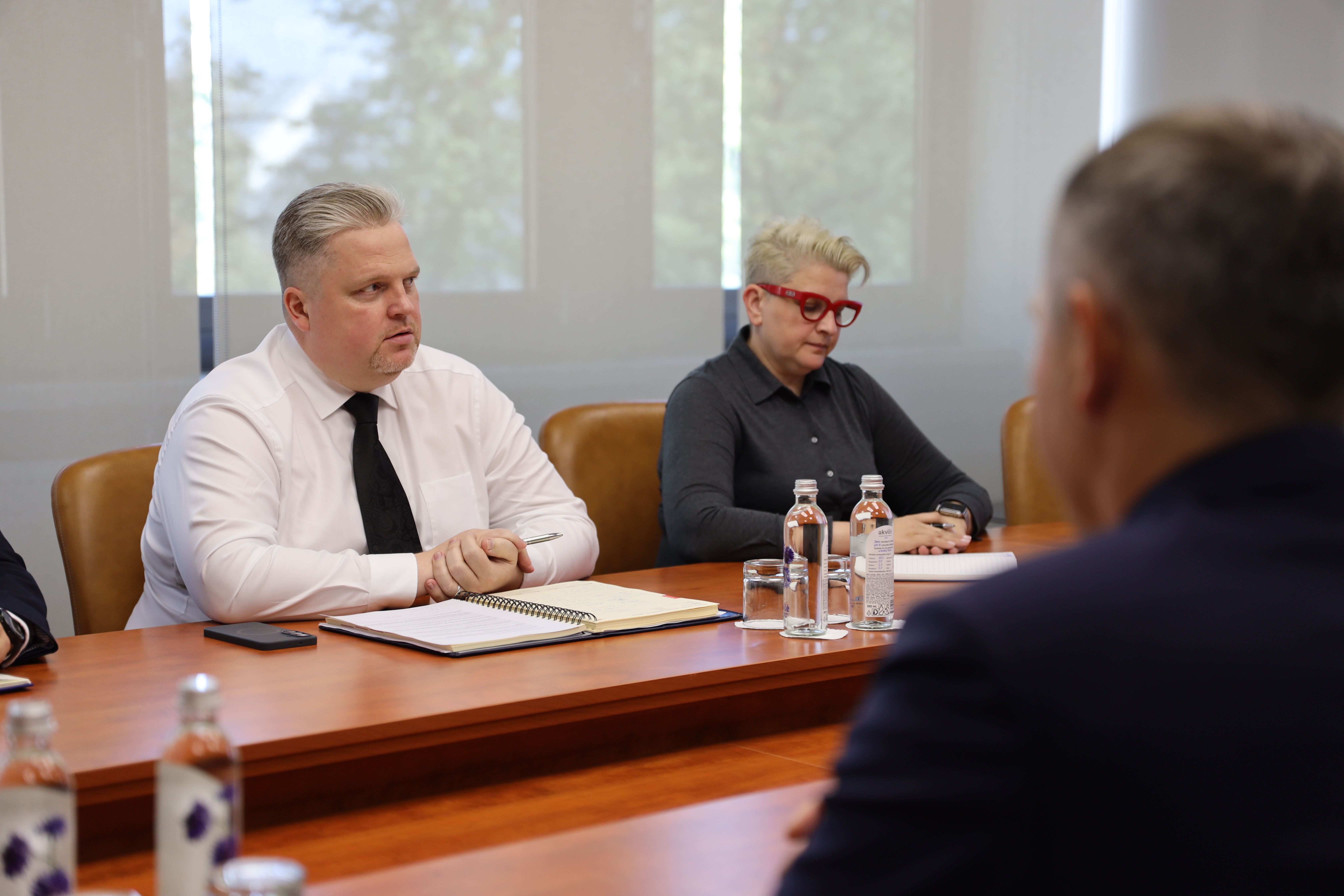
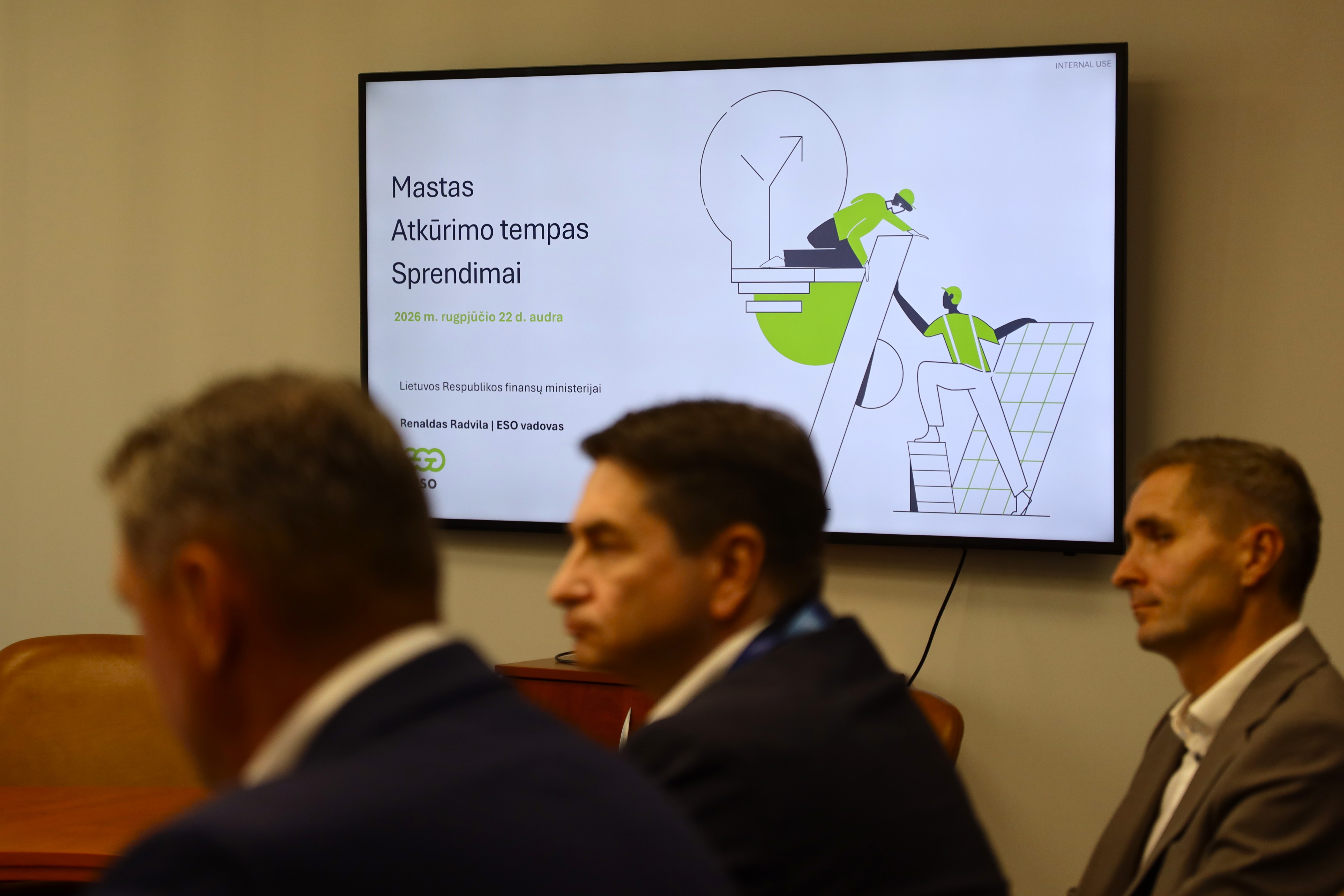
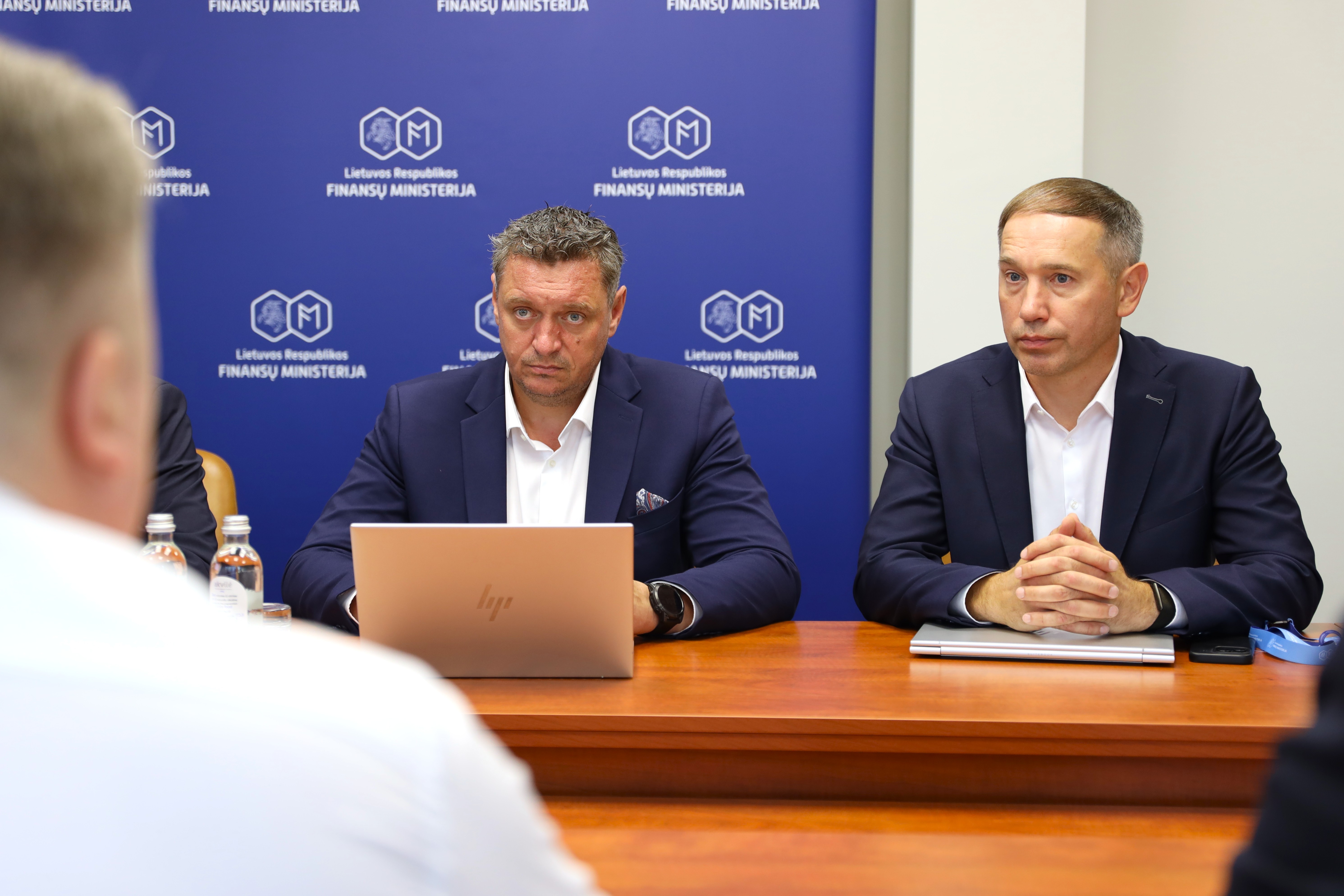
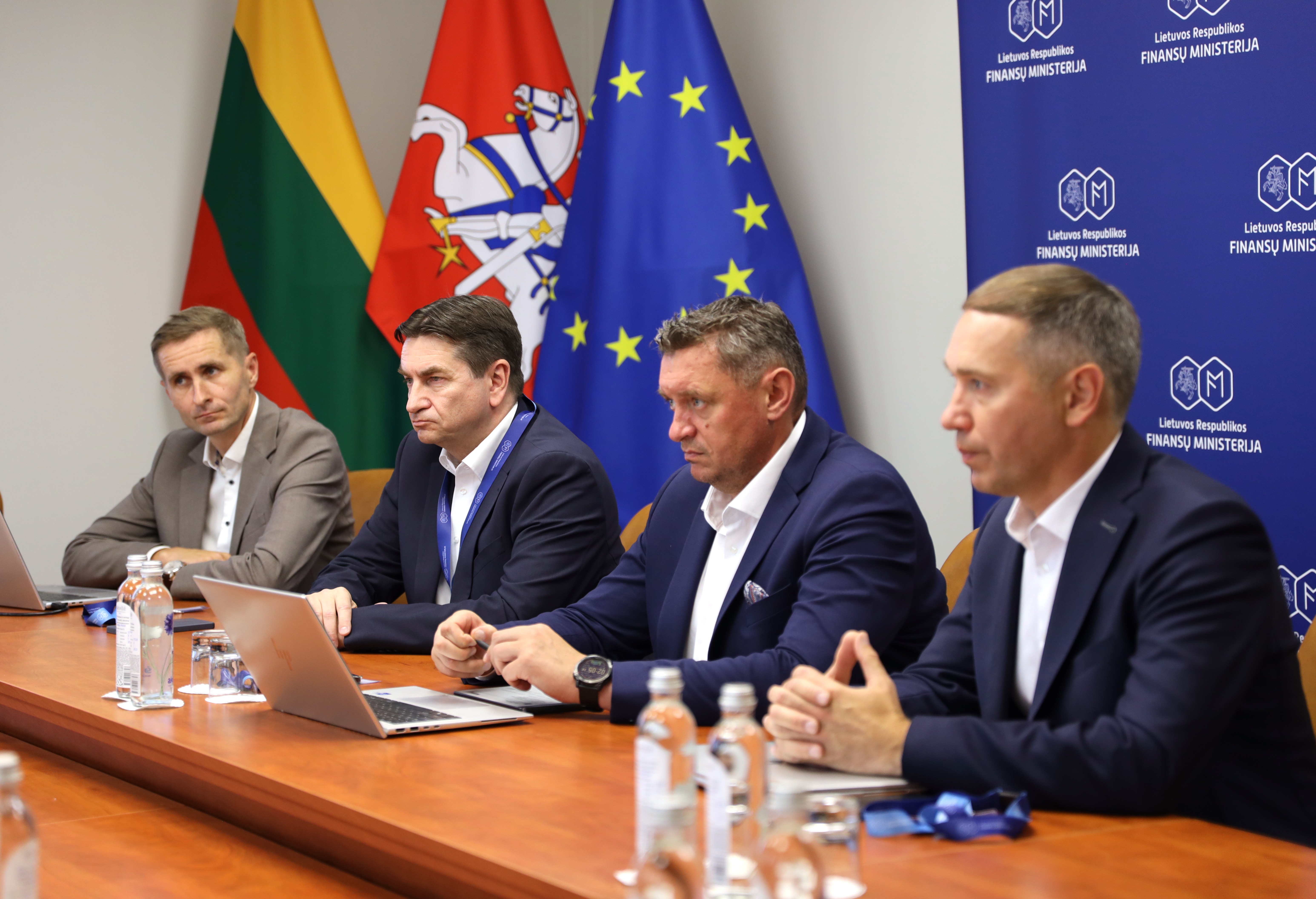
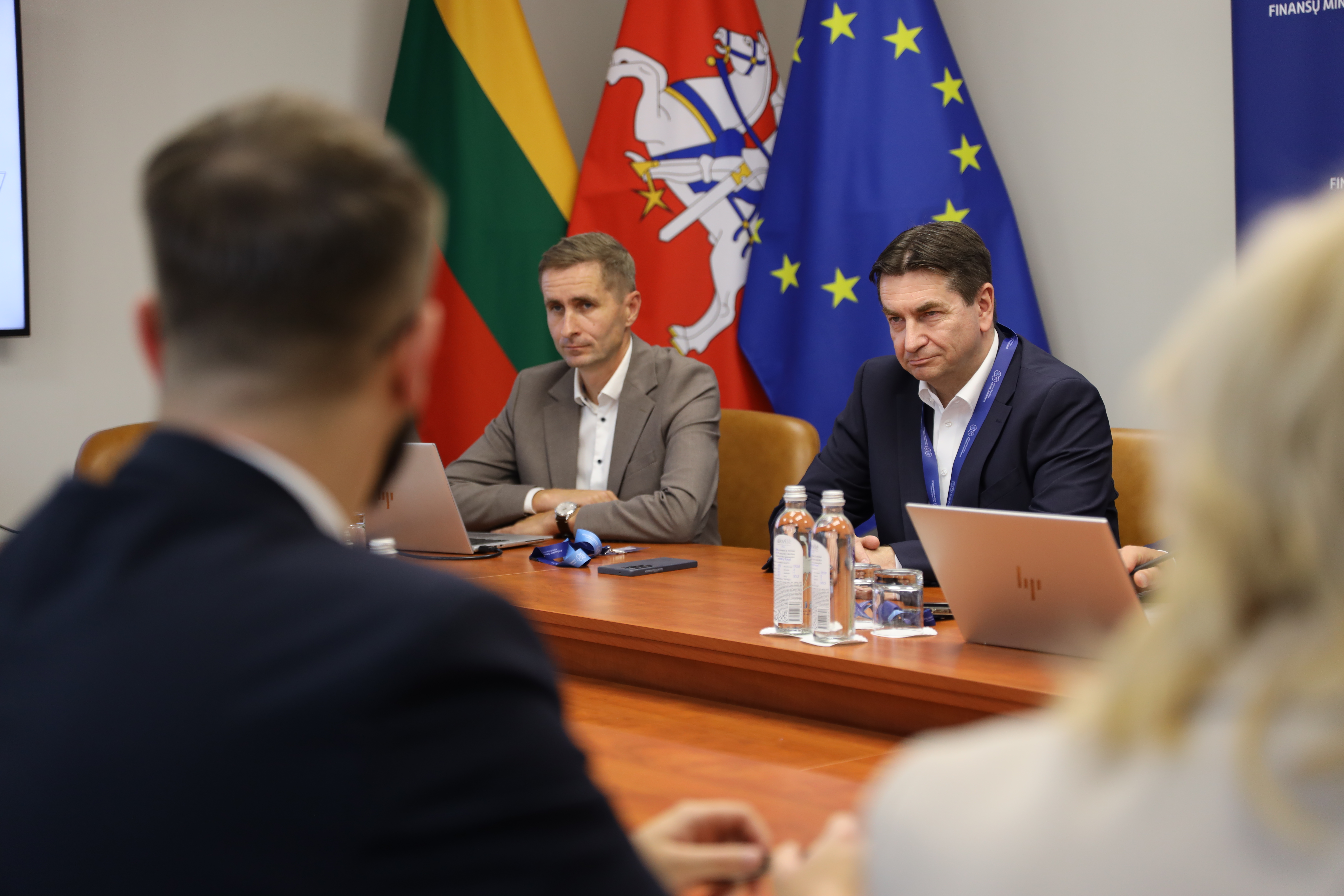
Minister of Finance Taurimas Valys had a meeting with CEO of Ignitis Group Darius Maikštėnas and CEO of ESO Renaldas Radvila, where he discussed the operation of the electricity network in the aftermath of the storm that hit Lithuania, emergency preparedness, the results of investments in network resilience and responsibilities of the management of the companies.
The Minister demanded the COEs of the companies to specify what measures were planned after the storm in 2024, which of them were implemented and what was left undone. It was also discussed whether the pace and priorities of investments in the network were sufficient, how the emergency preparedness system worked and why additional capacity had not been used earlier.
“The disaster may explain the extent of the malfunctions, but it cannot be the answer to all questions. After the storm in 2024, we already knew the weaknesses, so today we need to look very specifically at what has been done, what has not been done and who is responsible for it”, Minister of Finance T. Valys said.
At the meeting, the Minister also raised the question of what financial consequences this crisis will cause and what part of them will be borne by the company itself. According to Mr T. Valys, the cost of inefficient solutions or lack of preparation cannot be passed on to consumers.
According to the Minister, the current situation will be assessed not as an isolated event, but in a broader context, taking into account the experience of previous emergencies, the status of the network, the results of investments, the problems previously identified by the National Audit Office and the National Energy Regulatory Council, and the way the management bodies of Ignitis Group controlled risks and the readiness of ESO.
“The State owns almost 75% of Ignitis Group, so my position is clear – the State cannot be a passive shareholder. If we see that the reliability of strategic infrastructure, consumer interests or crisis preparedness do not correspond to what the State reasonably expects, we must not only ask questions but also make decisions”, Mr T. Valys said.
Having assessed the answers and additional information provided at the meeting, the Ministry of Finance will present the position of the State, as the main shareholder of Ignitis Group, on further actions in the near future. In addition to ESO preparedness and crisis response, the role of Ignitis Group management bodies in ensuring the network resilience, investment efficiency and proper risk management will be also assessed.
Last updated: 01-09-2026