

Vice-Minister of Finance J. Kizenevič: "The time has come for Cohesion Policy to change and respond more effectively to changing circumstances"
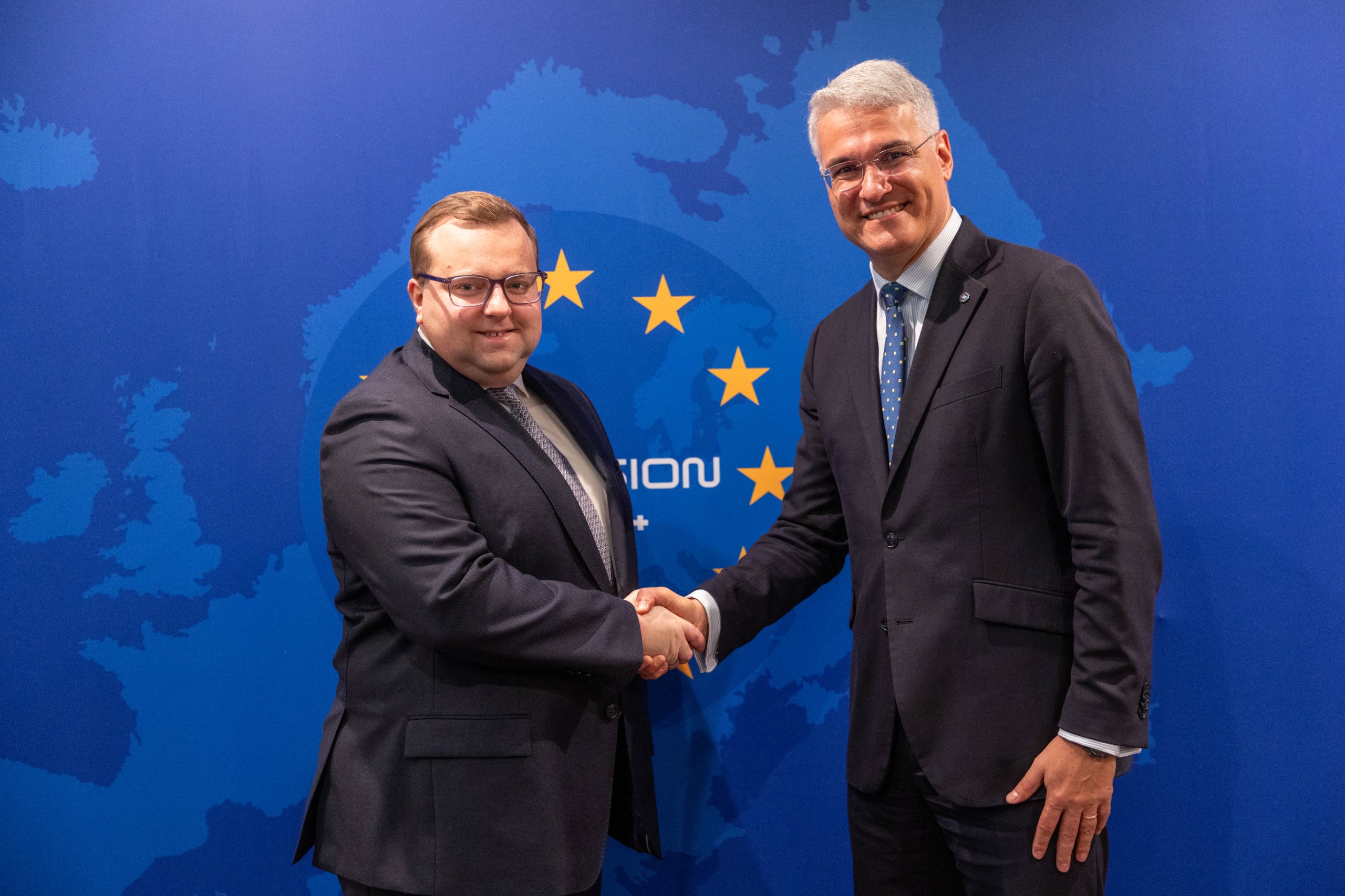
Januš Kizenevič, Vice-Minister of Finance, participating in the high-level event "Cohesion 2027+" in Bucharest, underlines the importance of Cohesion Policy for enhancing the EU's competitiveness and resilience. However, in the face of Russia’s unprovoked war against Ukraine, Cohesion Policy also needs to respond to the new geopolitical reality.
"Looking ahead and in preparation of the new EU financial period 2028-2034, it is particularly important for Lithuania, as an EU Eastern Border State, to be provided with additional funding due to the social, economic and security challenges of the neighbourhood with Russia and Belarus. Ensuring security and resilience is not only a priority for Lithuania, it is an essential precondition for sustainable growth", Vice-Minister Kizenevič states.
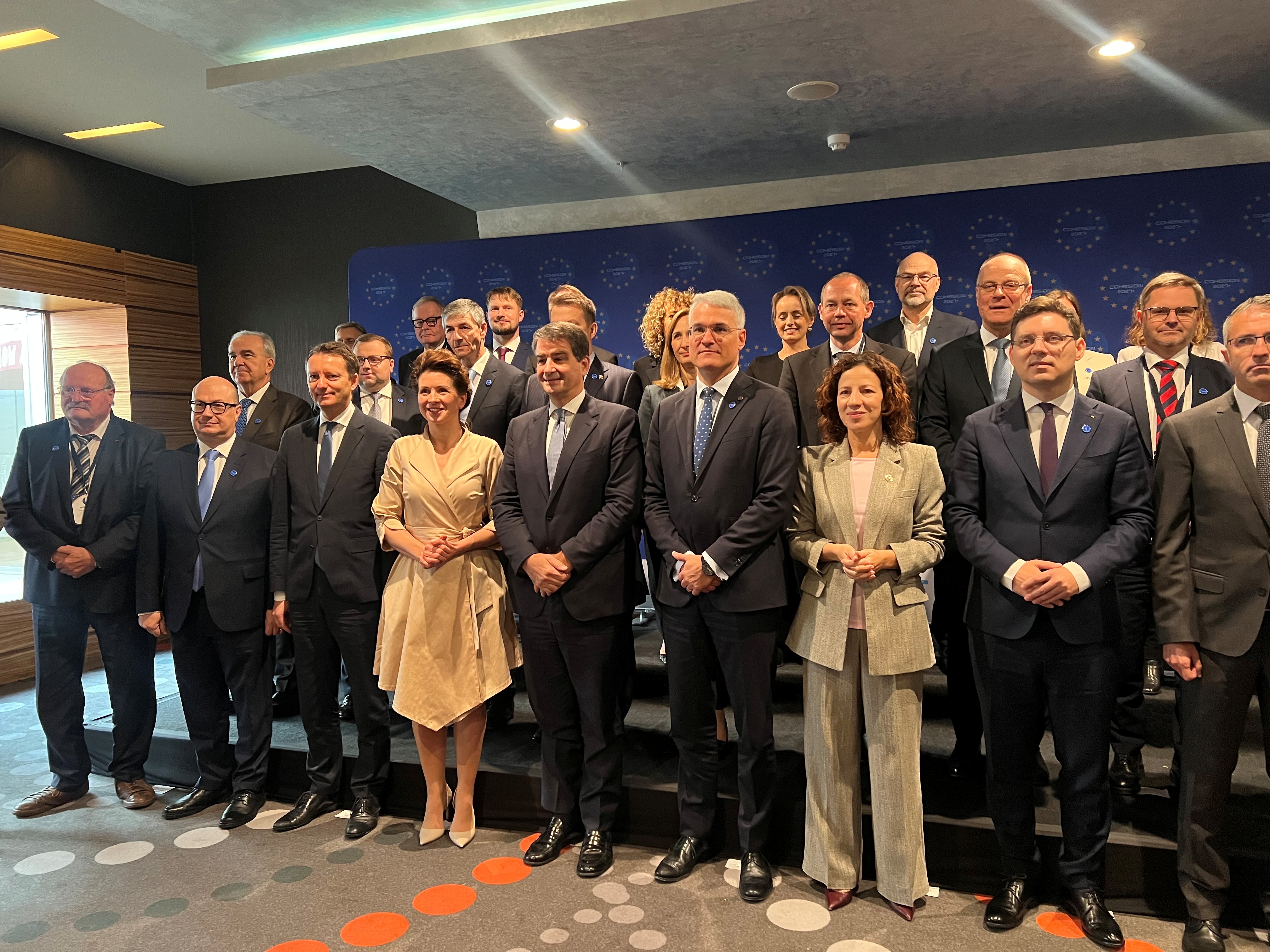
According to the Vice-Minister, although Lithuania fully supports the protection of the EU's financial interests, additional administrative burden should be avoided.
“We need more trust in Member States to focus our efforts on results rather than bureaucratic procedures”, the Vice-Minister says.
Cohesion Policy has always been and continues to be the main instrument for European solidarity, convergence and regional strengthening: when Lithuania joined the EU in 2004, our GDP per capita was 48%, and today it is 88% of the EU average.
More than statistics, it is living proof that Cohesion Policy drives real change, strengthens our regions and improves people’s lives. And today it also needs to respond to new geopolitical, economic and social realities.
In the new Multiannual Financial Framework 2028-2034, the European Commission proposed a major overhaul of the EU budget to significantly increase the EU’s ability to implement key policies and address new and emerging challenges. The EC proposes to merge the so far separate instruments – Cohesion Policy, Agriculture, Fisheries, Internal Security, Social Climate and International Cooperation (Interreg) – into a single fund.
This would imply a fundamental change in structure from a few separate programmes to a single integrated plan in which Member States plan all investments and reforms together. Each State would draw up a single National and Regional Partnership Plan, comprising national, regional and territorial sections.
Cohesion Policy is an EU policy aimed at reducing economic and social disparities between countries and regions and promoting sustainable development across the EU.
Last updated: 24-11-2025